```html
Custom Shoe Boxes for Footwear Protection, Retail and Branding
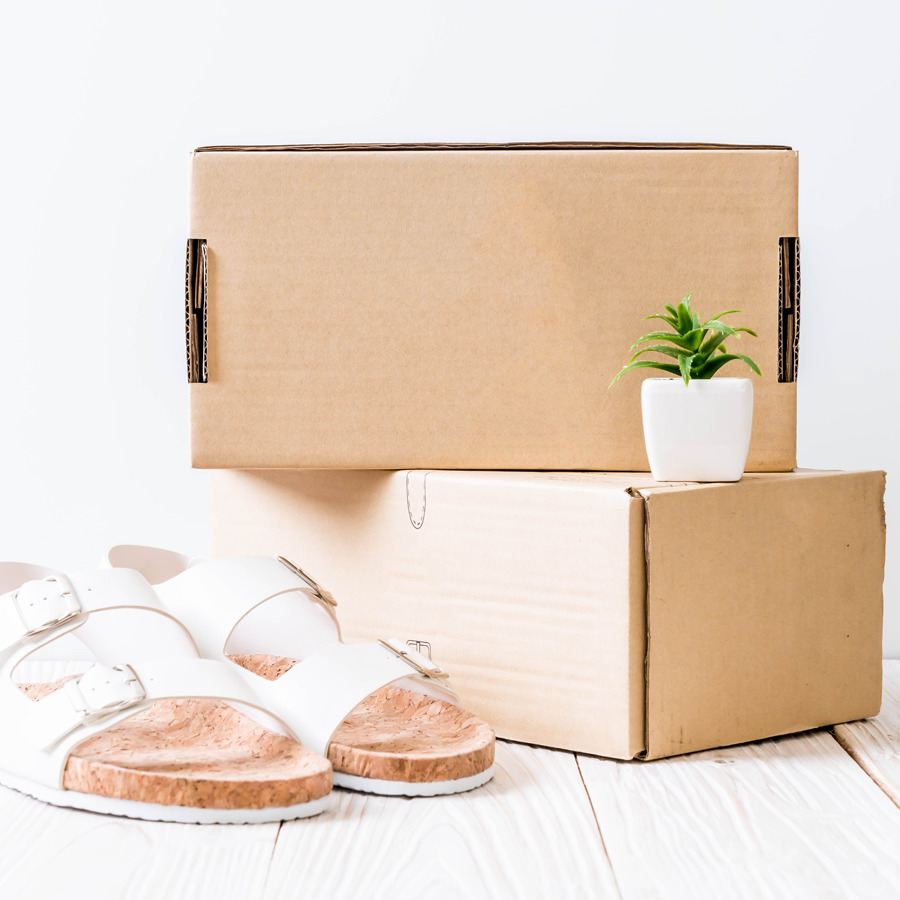
A shoe box does much more than hold a pair of footwear. It protects the shape of shoes, keeps surfaces cleaner during storage, makes stock easier to organise, and gives customers a structured presentation when they receive their purchase. From sneakers and formal shoes to heels, loafers, boots, sandals, and children's footwear, box dimensions should be planned around the actual product rather than treated as one-size-fits-all packaging. Brands building a complete footwear presentation can explore custom packaging solutions that support both product protection and visual identity.
Footwear differs from soft apparel because shoes have fixed shapes, raised soles, structured uppers, and varying heights. Poorly fitted packaging can compress the product, leave too much empty space, or make pairs shift during handling. A properly designed shoe box gives each pair enough room to sit naturally while providing a clean rectangular format for retail shelves, warehouses, online fulfilment, and gift presentation.
Why Footwear Needs a Proper Shoe Box
Shoes can lose presentation quality when they are exposed to dust, pressure, repeated handling, or contact with other products. A structured box creates a physical barrier around the pair and makes storage more controlled. It also helps prevent footwear from being stacked directly on top of one another in retail stockrooms.
The box should be strong enough to support the weight of the footwear without collapsing during routine stacking. Lightweight sandals need less board strength than heavy boots or work shoes, so the packaging specification should reflect the actual product rather than only its outer dimensions.
Custom Shoe Box Sizes for Different Footwear
Shoe sizing is only one factor when determining box dimensions. Two pairs labelled with the same shoe size can have very different packaging requirements depending on sole thickness, heel height, width, and upper construction. Sneakers, dress shoes, high heels, ankle boots, and children's footwear all occupy different internal volumes.
The safest approach is to measure the actual pair in its final packing position. Length, width, height, tissue paper, inserts, and any internal accessories should all be considered before the box dimensions are finalised. This creates a better fit and avoids oversized packaging that looks empty or wastes material.
Cardboard Shoe Boxes for Everyday Footwear Packaging
Cardboard remains a widely suitable material for footwear because it provides a practical balance between structural support, printing flexibility, manageable weight, and storage efficiency. Retailers packaging sneakers, casual shoes, school shoes, or everyday footwear can use a cardboard shoe box when they need a familiar, stackable format built around the proportions of a pair of shoes.
Board thickness should match the product weight and expected stacking conditions. A lightweight box may work well for children's footwear, while heavier adult shoes can require stronger construction. Clean folds and reinforced corners also help the package retain its rectangular shape when boxes are placed one above another.
Shoe Boxes with Lids
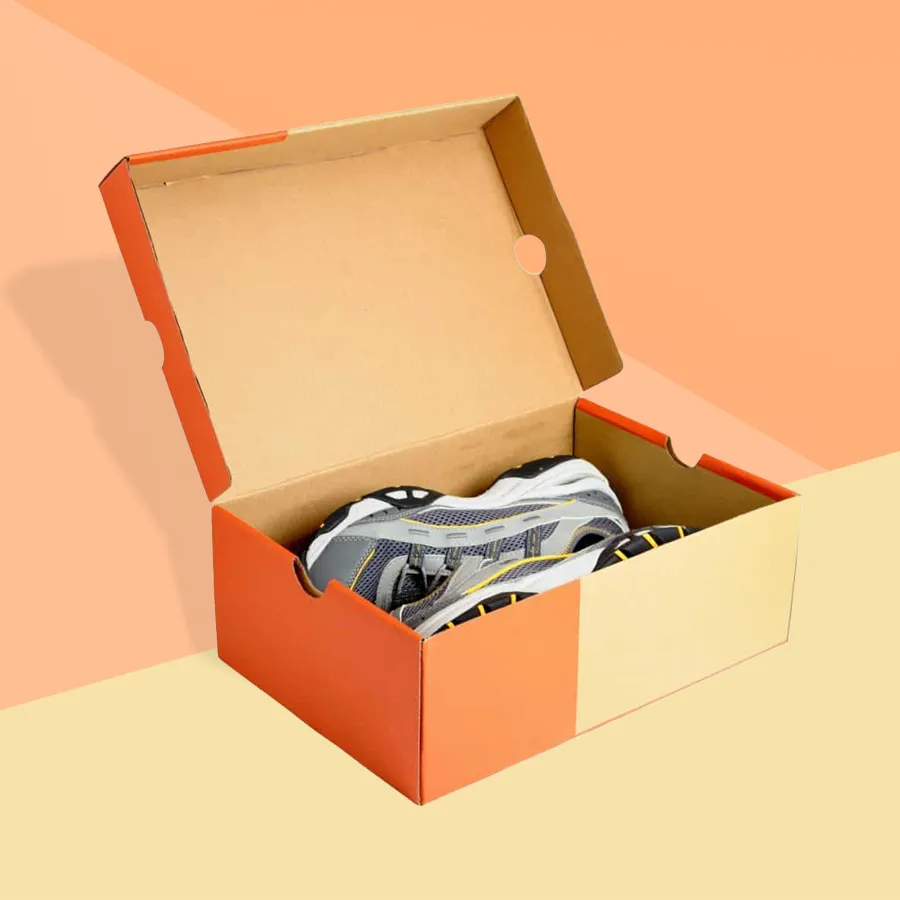
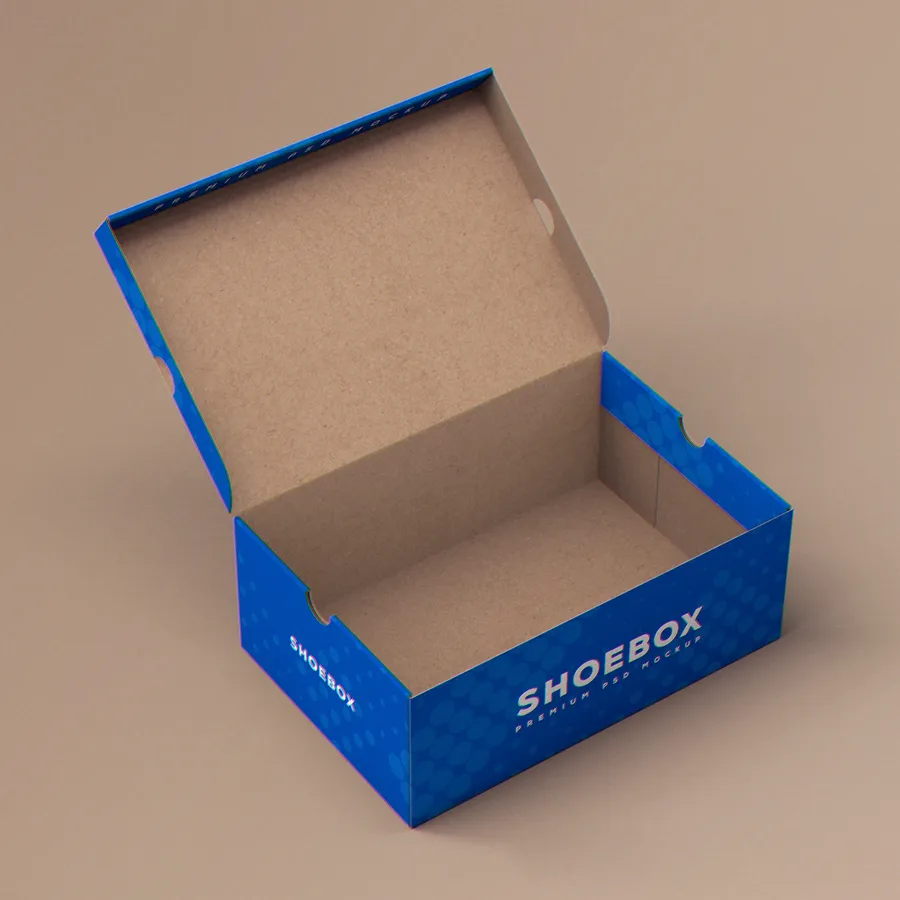
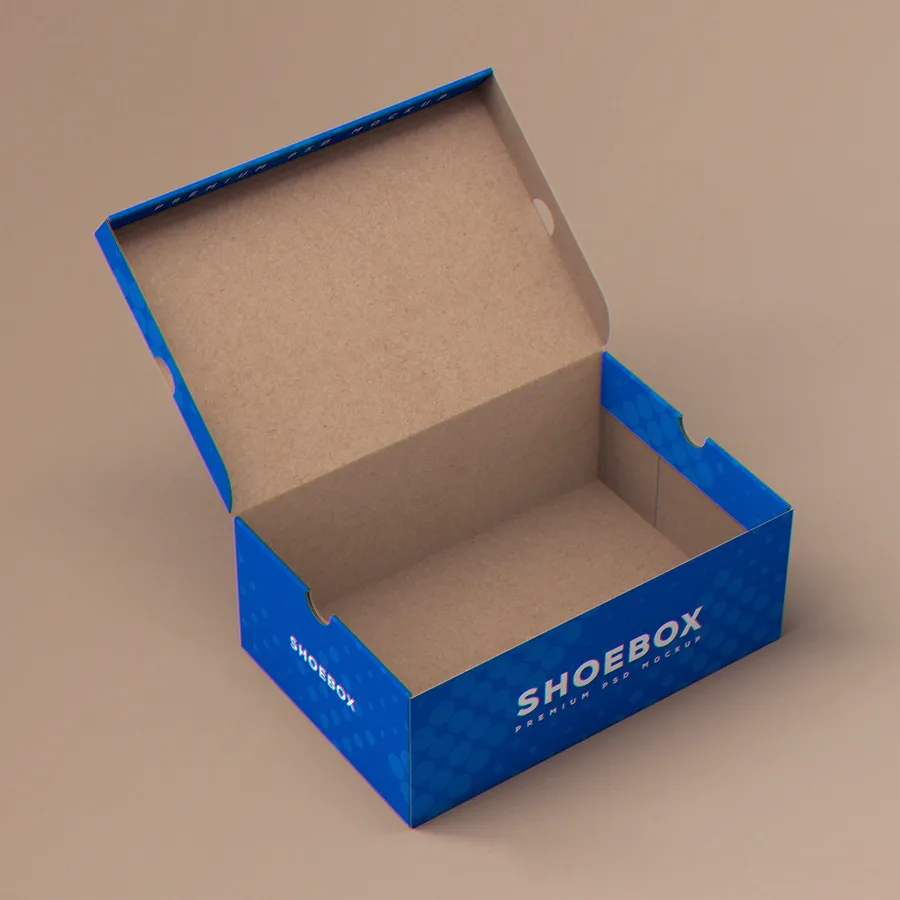
The lid is one of the most important structural features of traditional footwear packaging. A well-fitted lid keeps the contents enclosed while allowing staff and customers to access the shoes easily. Depending on the design, the lid may be fully removable or integrated into another box structure.
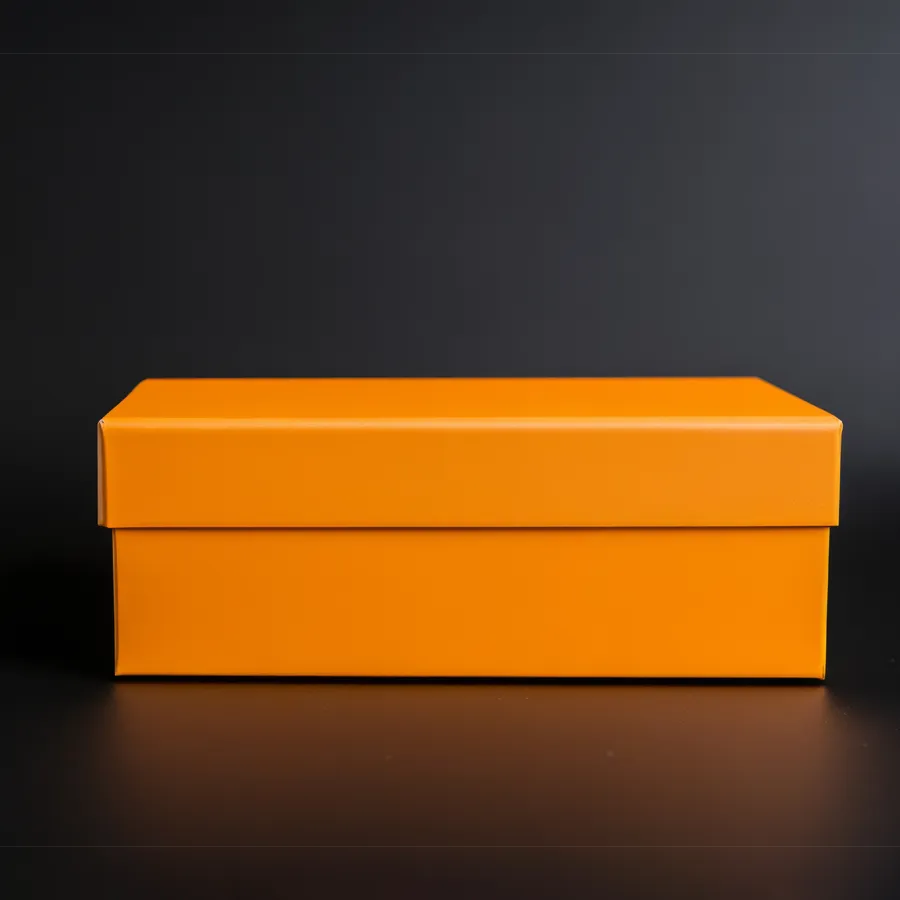
Brands wanting a classic two-piece presentation can consider shoe boxes with lids. This structure works particularly well for retail footwear because the base remains stable while the top can be removed to reveal the product without disturbing the arrangement inside.
Printed Shoe Boxes for Brand Recognition
A footwear box provides large exterior panels that can carry far more than a simple logo. Brands can display colourways, model names, product codes, sizes, care information, graphics, collection artwork, and campaign messaging while keeping the box easy to identify in stock.
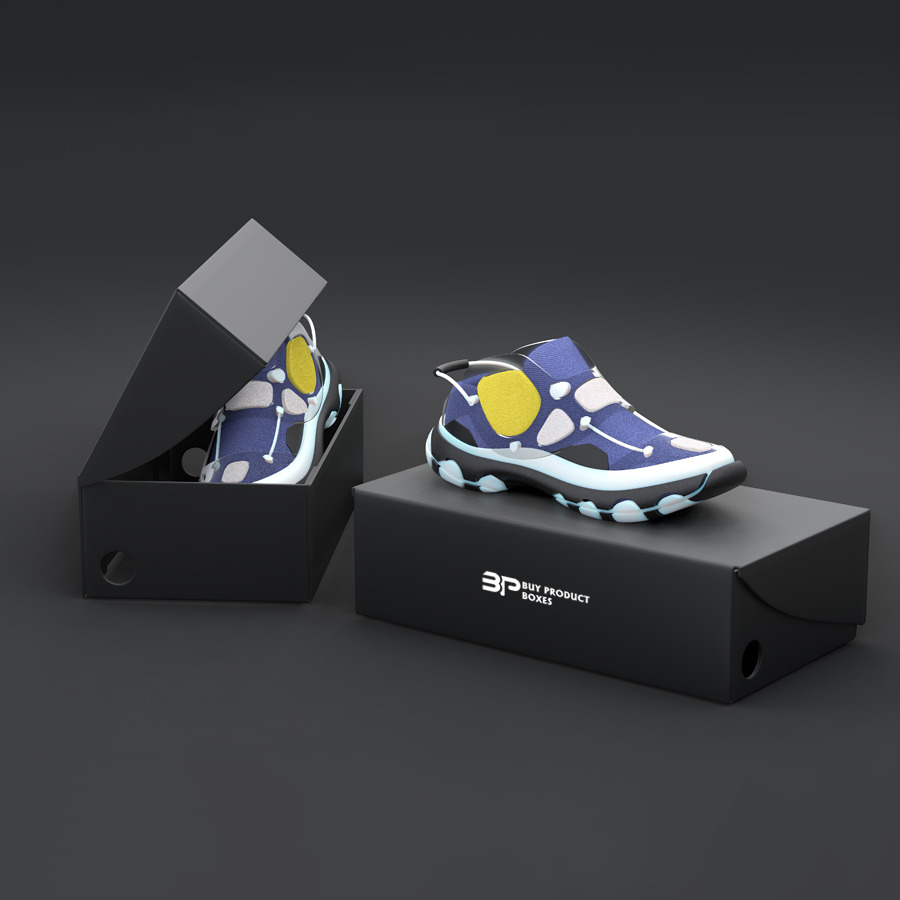
Businesses that want packaging to function as part of their marketing can use printed shoe boxes to create stronger visual recognition across physical stores and online orders. Consistent typography, colour systems, and graphics can make different footwear ranges feel connected even when individual product designs vary.
Custom Shoe Boxes with Logo
Logo placement on footwear packaging should be visible without making the design unnecessarily busy. The lid is often the strongest branding area because it is the first surface customers see, while side panels can carry practical details such as size, colour, product reference, or barcode information.
Brands focused on consistent identity can choose custom shoe boxes with logo for packaging that combines footwear dimensions with specific artwork and branding requirements. This is particularly useful for private-label footwear, boutiques, sneaker brands, designers, and direct-to-consumer sellers.
Shoe Box Inserts for Better Product Positioning
Some footwear needs more than an empty box. Inserts can help control movement, separate accessories, support unusual shoe shapes, or create a more deliberate presentation. They can be especially useful for premium shoes, high heels, limited editions, footwear gift sets, and products supplied with additional components.
For brands that need stronger internal organisation, shoe box inserts can be planned around the exact footwear shape. Internal components should hold the product securely without pressing against delicate uppers, trims, decorative elements, or polished surfaces.
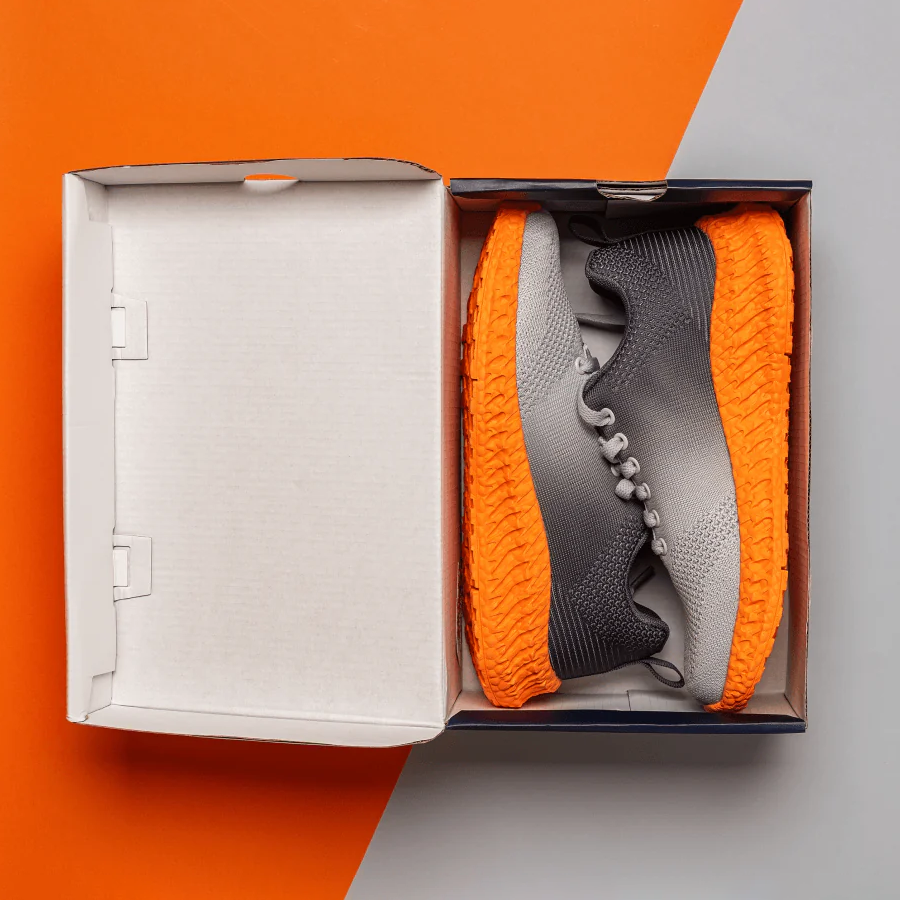
Shoe Boxes for Sneakers
Sneaker packaging often carries more visual identity than basic footwear cartons. Collectible releases, streetwear collaborations, sports shoes, and lifestyle sneakers may use distinctive colours, oversized branding, patterned interiors, or limited-edition artwork to make the box part of the product experience.
Sneakers also vary significantly in sole thickness and upper height, so box depth should be selected carefully. A low-profile trainer may fit comfortably in a shallow package, whereas high-top sneakers need additional internal clearance to prevent the upper from being compressed.
Shoe Boxes for Formal Footwear
Dress shoes, loafers, brogues, and other formal footwear usually benefit from a more restrained packaging style. Neutral colours, subtle typography, matte surfaces, and carefully positioned logos can complement polished leather products without distracting from the footwear itself.
Internal tissue or dividers can help prevent the two shoes from rubbing against one another. For premium formal products, the box should feel sturdy enough to support long-term storage because customers may keep the original packaging for protecting shoes between uses.
Packaging for Women's Shoes and Heels
High heels create specific packaging challenges because the heel increases the vertical space required and can concentrate pressure in one area. The box must provide enough height to accommodate the shoe naturally while preventing excessive movement around the heel and toe.
Presentation can also be important for fashion footwear. Printed interiors, tissue, branded stickers, or carefully designed inserts can help create a polished unboxing experience for heels, pumps, designer flats, and premium women's footwear.
Boot Boxes and Larger Footwear Packaging
Boots generally require deeper and longer packaging than standard shoes. Ankle boots, work boots, hiking footwear, and fashion boots may also be heavier, increasing the need for stronger board and reinforced structural design.
The box should support the product without forcing the boot shaft into an unnatural fold. Where longer footwear must be packed flat, internal dimensions should be tested with the actual product to make sure the box remains practical for storage and transportation.
Shoe Boxes for Children's Footwear
Children's footwear can use smaller packaging, but the same principles of fit and protection still apply. School shoes, trainers, sandals, and formal children's footwear should remain organised and easy to identify by size, style, and colour.
Bright graphics, playful illustrations, or simplified size labels can make children's shoe packaging easier to recognise in retail environments. The structural design should still remain practical for stacking and handling, particularly when stores carry multiple size runs of the same style.
Shoe Packaging for Retail Shelves and Stockrooms
Footwear stores often manage many visually similar boxes, making clear exterior identification essential. Size labels, model codes, colour names, product photography, or short descriptions can help staff locate the correct pair without repeatedly opening cartons.
Consistent box dimensions also improve stacking efficiency. While every footwear style cannot use identical packaging, brands can group products into a small number of carefully planned size formats to create more organised stockroom systems.
Shoe Boxes for Ecommerce Orders
Online footwear packaging must consider both presentation and transportation. The branded shoe box usually acts as the primary product package, while an additional shipping carton or protective outer layer helps preserve its appearance during courier handling.
This is particularly important when customers are likely to retain the original box for storage, returns, resale, or collecting. A damaged presentation box can reduce the perceived quality of the order even if the footwear itself remains unharmed.
Luxury Shoe Boxes for Premium Footwear
Designer footwear, bridal shoes, handcrafted leather products, limited editions, and premium sneaker releases may require a more substantial presentation than standard retail boxes. Thicker board, wrapped surfaces, specialty finishes, internal trays, and carefully selected opening styles can create a stronger sense of product value.
Luxury footwear packaging should still remain functional. Decorative elements should not interfere with opening, storage, or removal of the shoes. A well-designed premium box combines visual impact with dimensions and internal features that genuinely suit the product.
Finishing Options for Custom Shoe Boxes
Finishes can change the look and feel of footwear packaging without altering its core structure. Matte surfaces work well for subtle fashion branding, while gloss effects can add stronger visual contrast. Foil accents, embossing, debossing, or spot treatments can highlight selected design elements.
The finish should support the footwear category. Luxury formal shoes may suit restrained details, while sneaker packaging can support more expressive graphics. Practical factors such as handling, stacking, and surface durability should also be considered before decorative treatments are finalised.
Shoe Boxes for Gift Presentation
Footwear is frequently purchased as a gift, especially designer sneakers, formal shoes, bridal footwear, children's shoes, and limited-edition products. A clean, branded box creates a ready-made presentation base that can be enhanced with tissue, ribbon, sleeves, or gift messaging.
Gift packaging can also include printed interiors or a personalised insert card. These small details help the customer experience feel more deliberate without changing the basic function of the shoe box.
Wholesale Shoe Boxes for Footwear Businesses
Retailers, footwear manufacturers, private-label brands, wholesalers, and ecommerce sellers often require packaging in large quantities. Before bulk production, businesses should standardise dimensions, material strength, artwork, lid fit, labels, and any internal components.
Planning several box sizes around the main footwear categories can make inventory easier to manage. It also helps maintain visual consistency across different product lines without forcing every shoe into one universal packaging format.
Storage Efficiency and Box Assembly
Packaging storage can become a major operational issue for footwear businesses because shoe boxes occupy more space than packaging for many soft garments. Foldable structures can reduce warehouse volume before use, while setup-style boxes may provide a more premium presentation but require more storage space.
Businesses should choose the structure according to packing volume, available storage, staff workflow, and presentation level. A packaging style that looks attractive but slows daily fulfilment may not be the best option for a high-volume operation.
How to Choose the Right Shoe Box
Begin with the actual footwear. Measure both shoes in the position in which they will be packed, then consider heel height, sole thickness, upper shape, tissue, inserts, and accessories. The finished package should give the pair enough clearance without allowing unnecessary movement.
Next, determine how the box will be sold and handled. Retail packaging may prioritise stacking and product identification, ecommerce packaging needs compatibility with shipping protection, while luxury footwear may require stronger presentation and more elaborate interior details.
Key Benefits of Custom Shoe Boxes
Order Shoe Boxes Designed Around Your Footwear
Good footwear packaging starts with the dimensions and structure of the shoes themselves. The box should protect the pair, provide enough clearance, stack reliably, display useful product information, and represent the brand appropriately. Material, lid style, printing, and inserts should all be selected around those practical requirements.
For packaging tailored to sneakers, formal shoes, heels, boots, sandals, or other footwear, contact our packaging team to discuss shoe dimensions, board strength, lid options, inserts, printing, finishes, and order quantities.
Frequently Asked Questions About Shoe Boxes
What is a shoe box used for?
A shoe box is used to store, protect, organise, display, and transport footwear. It provides a structured enclosure for sneakers, formal shoes, heels, boots, sandals, children's shoes, and other footwear while offering space for branding and product information.
How do I choose the correct shoe box size?
Measure the pair in its final packing position, including the length, width, and overall height. Allow suitable clearance for tissue, inserts, or accessories without creating excessive empty space that allows the footwear to move unnecessarily.
Can shoe boxes be customised?
Yes. Shoe boxes can be customised in dimensions, material, lid style, printing, colours, finishes, labels, and internal features. Custom specifications help brands create packaging around the exact type of footwear they sell.
Can my logo be printed on shoe boxes?
Yes. Logos, brand names, patterns, product codes, sizing information, colour details, collection names, and other artwork can be printed on shoe packaging to create a recognisable retail and ecommerce presentation.
What material is commonly used for shoe boxes?
Paperboard and cardboard are commonly used because they provide structural support, printable surfaces, and manageable weight. The appropriate board thickness depends on footwear weight, box dimensions, stacking conditions, and presentation requirements.
Do shoe boxes need inserts?
Not every shoe box requires an insert. Inserts are useful when footwear needs additional positioning, when accessories must be separated, or when premium presentation is required. The insert should be designed around the actual shoe shape.
Are shoe boxes suitable for ecommerce orders?
Yes. A shoe box can serve as the primary presentation package for online footwear orders. Suitable outer shipping protection should also be used to protect the branded box and footwear during courier handling.
Can shoe boxes be used for boots?
Yes. Boots can be packed in custom shoe boxes with additional length, width, height, and board strength. The dimensions should account for the boot shaft, sole thickness, and weight so the product is not compressed.
Can shoe boxes be ordered in bulk?
Yes. Footwear manufacturers, retailers, wholesalers, ecommerce brands, and private-label sellers can order shoe packaging in larger quantities. Bulk production can help maintain consistent dimensions, printing, material, and branding across product lines.
What information should be printed on a shoe box?
Useful information can include the brand name, footwear model, size, colour, product code, barcode, material details, and care information. The exact information depends on the retail system, product type, and branding requirements.