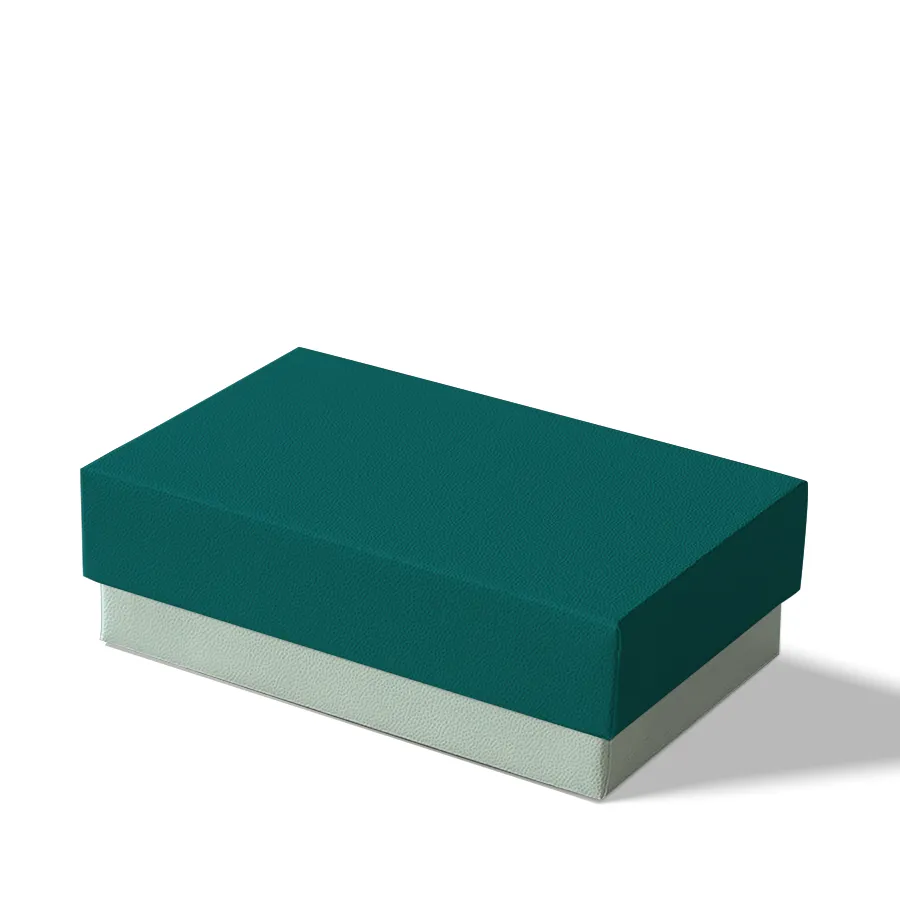
Custom Rigid Boxes for Premium Product Presentation
Rigid boxes are designed for brands that want packaging to feel substantial, polished, and presentation-led rather than temporary or disposable. Also known as setup boxes, these packages retain their shape and create a firm enclosure around the product. They are widely used for luxury apparel, watches, jewellery, wallets, accessories, gift sets, and premium retail collections. At Apparel Boxes, rigid packaging can be developed around the size, weight, display style, and branding requirements of the item being packed.
The defining feature of a rigid box is its solid construction. Instead of being formed only from thin folding board, the main body is usually built from thicker paperboard and covered with a printed or decorative outer wrap. This creates straight edges, stronger walls, and a more substantial feel in the hand. For products sold on appearance, gifting value, or premium positioning, this structure can make the packaging part of the product experience itself.
What Makes Rigid Boxes Different from Folding Cartons?
Folding cartons are normally supplied flat and gain their shape during assembly, whereas rigid boxes are typically manufactured as formed structures. Their walls remain firm and do not collapse flat during normal use. This difference gives rigid packaging a more solid opening experience and makes it especially suitable for products that need a high-end presentation.
The extra structural strength also allows rigid boxes to support decorative lids, internal trays, shoulder sections, compartments, and other presentation features. Brands can therefore design the packaging around the product instead of simply placing the product inside a standard carton.
Rigid Apparel Boxes for Luxury Clothing
Premium clothing often benefits from packaging that mirrors the quality of the garment. Folded shirts, knitwear, scarves, designer accessories, coordinated sets, and limited-edition clothing can be arranged neatly inside a structured box rather than a lightweight carton. Businesses developing high-end garment presentation can use rigid apparel boxes for clothing collections that need a stronger and more refined packaging format.
For apparel, the internal depth should match the thickness of the folded garment. A box that is too shallow can compress fabric, while an oversized structure can make the presentation look unfinished. Tissue paper, belly bands, card platforms, or other simple internal elements can be added where the garment needs to remain neatly positioned.
Popular Structural Styles for Rigid Boxes
Rigid packaging can be produced in several opening styles, and each one creates a different customer experience. Two-piece lid-and-base boxes provide a classic presentation, while hinged designs create a connected opening action. Drawer-style boxes reveal the product gradually, and shoulder-and-neck structures can create a more architectural appearance with a visible internal section.
The best format depends on the product and the intended interaction. A watch may suit a compact hinged presentation box, while clothing may work better in a wider lid-and-base format. Gift sets can benefit from deeper structures with compartments, and premium accessories may use smaller rigid boxes with a fitted insert.
Two-Piece Rigid Boxes
A two-piece rigid box consists of a separate lid and base. This style is popular because it is simple, balanced, and suitable for many luxury products. The lid may cover the full height of the base or only part of it, depending on the desired appearance.
Brands can use contrasting colours between the lid and base or keep both sections visually consistent. Printed wraps, foil logos, textured papers, and internal colour changes can make a simple two-piece structure feel highly customised without making the box overly complicated.
Hinged and Book-Style Rigid Boxes
Hinged rigid boxes keep the lid connected to the base, creating a smooth opening action. Book-style formats can provide a similar effect while giving the exterior a clean, presentation-led appearance. These structures are particularly useful when the opening experience is intended to feel deliberate and reusable.
A hinged design can also support internal trays and recessed product areas. This makes it useful for products that need to remain positioned when the box is opened, rather than simply resting loose inside the base.
Rigid Watch Boxes with Secure Presentation
Watches require packaging that protects the case, strap, and display position while giving the product a premium reveal. A rigid structure can hold a cushion or fitted insert securely and provide enough strength for repeated opening. Brands working with timepieces can coordinate their premium packaging with custom watch boxes designed around watch dimensions, presentation angle, and branded appearance.
For watch packaging, the insert is just as important as the outer shell. It should hold the watch in place without making removal difficult. The space around the product can also be used for warranty cards, care information, documentation, or small accessory compartments when required.
Rigid Boxes for Bracelets and Small Jewellery
Jewellery packaging often needs compact dimensions and precise internal positioning. A bracelet can easily move around in an oversized box, so the inner layout should be designed around the product's shape. For bracelet collections, custom bracelet boxes can be developed with a structured outer shell and a supportive insert that keeps the jewellery centred during presentation.
Small rigid jewellery boxes can use padded platforms, card inserts, fabric-lined sections, or shaped supports depending on the item. The goal is to make the jewellery visible immediately after opening while preventing unnecessary movement inside the package.
Rigid Necklace Packaging
Necklaces need more internal surface area than rings or cufflinks because chains can move, twist, or overlap if they are not positioned correctly. Premium necklace packaging can use a rigid box with a flat or slightly raised presentation insert that keeps the chain arranged neatly. Brands can pair this format with custom necklace boxes when the product requires a presentation-focused structure and carefully planned internal layout.
The insert can include small holding points for the chain and pendant so that the product remains centred. This helps jewellery look organised when the box is opened and can reduce the need for the customer or retailer to rearrange the necklace before presentation.
Rigid Gift Boxes for Wallets and Accessories
Wallets, belts, ties, cufflinks, and other fashion accessories are commonly purchased as gifts, which makes presentation particularly important. A structured box can help these products feel complete before any additional wrapping is added. For wallet-focused gifting, wallet gift boxes can be used as a relevant premium packaging option for creating a compact, organised, and brand-led presentation.
Accessory gift boxes can also include card sleeves, tissue paper, fitted trays, or compartments when more than one product is included. For example, a wallet and cardholder set can be separated into dedicated sections so each item remains visible and properly aligned.
Materials Used in Rigid Box Construction
The core of a rigid box is usually made from a dense paperboard that provides the structural body. This board is then covered with an outer wrap, which can carry printing, colour, texture, or branding. The combination of a firm core and decorative wrap gives rigid packaging its characteristic shape and premium appearance.
The outer covering can be selected according to the brand's visual direction. Smooth printed papers work well for detailed graphics, while textured or specialty-style wraps can create a more tactile finish. Interior surfaces can also be wrapped or lined to give the box a coordinated appearance when opened.
Custom Printing for Rigid Packaging
Because rigid boxes are commonly wrapped rather than printed directly on a thick structural core, the exterior artwork can be planned with significant design flexibility. Logos, patterns, collection names, brand colours, product information, and decorative graphics can all be incorporated into the wrap.
Minimal printing is popular for luxury packaging because the structure itself already provides visual weight. A centred logo, carefully selected typography, and controlled use of colour can create a premium result without covering every surface with artwork.
Foil Stamping, Embossing and Premium Finishes
Rigid boxes are particularly suitable for premium finishing techniques. Foil stamping can draw attention to logos or small design details, while embossing creates raised elements that customers can feel. Debossing presses selected areas inward and can produce a subtle branded effect.
Matte surfaces can create a softer and more restrained look, while gloss effects increase reflectivity and visual contrast. Spot finishes can highlight only selected parts of the artwork. These details should be chosen according to the brand identity and product position rather than added simply for decoration.
Custom Inserts for Rigid Boxes
A rigid outer shell creates the main structure, but inserts determine how the product sits inside it. Depending on the item, inserts may be made from board, moulded materials, foam-style components, fabric-covered supports, or layered paper-based structures.
The insert should be planned around the actual product dimensions. Jewellery requires small and accurate holding points, watches need secure cushions, apparel may need broad platforms, and gift sets can require multiple compartments. A well-designed insert makes the product appear intentional rather than loosely placed inside a premium box.
Magnetic-Style Closures and Premium Opening Experiences
Some hinged rigid box formats use concealed magnetic-style closures to keep the lid aligned when shut. This creates a clean exterior because the closure mechanism is not visually dominant. Such designs are often used for luxury apparel, accessories, presentation kits, and branded gift sets.
The opening resistance should feel controlled without making the box difficult to use. The objective is to create a smooth interaction that supports the premium character of the packaging while keeping the design practical for repeated opening.
Rigid Boxes for Retail Display
Rigid boxes can support retail merchandising because they maintain a consistent shape and can be stacked or arranged with clean edges. Premium products displayed in matching boxes can create a more organised visual presentation than mixed packaging formats.
Exterior labels, colour indicators, product names, or collection details can be incorporated into the design so staff and customers can identify products without opening every box. This is especially helpful when similar products are sold in multiple sizes, colours, or styles.
Rigid Packaging for Ecommerce Orders
For ecommerce brands, a rigid box can serve as the main presentation package inside an outer shipping carton or protective mailer. The rigid structure gives the product a high-end unboxing experience, while the shipping layer handles the demands of transportation.
This separation allows brands to keep presentation packaging clean and visually attractive when it reaches the customer. It is particularly useful for watches, jewellery, premium accessories, designer apparel, and gift sets that are likely to be photographed, shared, stored, or reused after delivery.
Wholesale Rigid Boxes for Product Collections
Businesses ordering rigid packaging in quantity should finalise the structural specification before production. Important details include finished dimensions, lid style, board strength, wrap design, insert layout, printing, finishes, opening method, and packing requirements.
Consistency is especially important when a rigid box is used across a complete product range. Brands may keep the same structural style while changing dimensions or printed details for individual products. This creates a recognisable packaging family without forcing every item into the same box size.
How to Design the Right Rigid Box
Start with the product rather than the exterior artwork. Measure the item in the exact position in which it will be presented, then determine whether an insert, tissue layer, accessory compartment, or additional clearance is required. Once the internal arrangement is resolved, the final box dimensions can be planned more accurately.
The next stage is choosing the opening style and visual direction. Consider whether customers should lift a lid, open a hinged cover, pull a drawer, or reveal an internal shoulder. Printing and finishes can then be applied to support that experience instead of trying to compensate for an unsuitable structure.
Key Benefits of Custom Rigid Boxes
Firm construction that maintains its shape during presentation.
Suitable for luxury apparel, watches, jewellery, wallets, and accessories.
Available in lid-and-base, hinged, drawer, and presentation styles.
Can be manufactured around exact product dimensions.
Supports fitted inserts and compartment-based layouts.
Provides a strong base for luxury printing and finishing techniques.
Creates a more substantial unboxing experience than lightweight cartons.
Useful for premium retail, gifting, ecommerce, and branded collections.
Can coordinate multiple products under one consistent packaging identity.
Offers extensive control over exterior and interior presentation.
Order Custom Rigid Boxes for Your Brand
A successful rigid box should be designed as a complete presentation system rather than only an outer container. The board structure, opening style, wrap, insert, printing, and finishing all need to work together around the product. When these elements are properly coordinated, rigid packaging can strengthen product presentation and create a more memorable customer experience.
If you need rigid packaging for apparel, watches, jewellery, wallets, accessories, gift sets, or other premium products, contact our packaging team to discuss dimensions, box structures, inserts, printing, finishing, and production requirements.
Frequently Asked Questions About Rigid Boxes
What is a rigid box?
A rigid box is a firm, non-collapsible packaging structure commonly made from thick paperboard covered with a decorative or printed wrap. It is used when a product requires stronger presentation, a premium appearance, or a structured unboxing experience.
Why are rigid boxes considered premium packaging?
Rigid boxes have solid walls, defined edges, and a substantial feel compared with lightweight folding cartons. They can also support premium wraps, custom inserts, foil details, embossing, and presentation-focused opening styles, which makes them suitable for luxury products.
What products are suitable for rigid boxes?
Rigid boxes are suitable for apparel, watches, jewellery, wallets, fashion accessories, gift sets, corporate gifts, limited-edition products, and other items where presentation and structural packaging are important.
What styles of rigid boxes are available?
Common rigid box styles include two-piece lid-and-base boxes, hinged boxes, book-style boxes, drawer structures, shoulder-and-neck boxes, and other custom presentation formats. The ideal style depends on the product and desired opening experience.
Can rigid boxes be printed with a logo?
Yes. Rigid boxes can be customised with logos, brand colours, patterns, collection names, product information, and decorative artwork. Branding is commonly applied to the outer wrap and may also be included on internal surfaces.
Can rigid boxes have custom inserts?
Yes. Inserts can be designed around watches, jewellery, accessories, apparel, gift sets, or other products. They help keep items positioned correctly and can include single product areas, multiple compartments, cushions, trays, or supporting platforms.
Are rigid boxes suitable for luxury clothing?
Yes. Premium shirts, knitwear, scarves, designer garments, fashion accessories, and curated apparel sets can be presented in rigid boxes. The strong structure helps create a polished appearance and provides space for tissue, internal platforms, or other presentation details.
What finishes can be added to rigid boxes?
Rigid packaging can support matte or gloss surfaces, foil stamping, embossing, debossing, spot effects, textured wraps, and other decorative treatments. The selected finish should complement the brand identity and the type of product being packaged.
Can rigid boxes be used for ecommerce?
Yes. A rigid box can serve as the premium presentation package inside suitable outer shipping protection. This allows the customer to receive a structured branded box while the external shipping package handles transportation and fulfilment conditions.
How do I choose the right rigid box size?
Measure the product in its final presentation position and account for any insert, tissue, documentation, or accessory compartment. The finished box should provide enough clearance for easy placement and removal without leaving excessive empty space around the product.