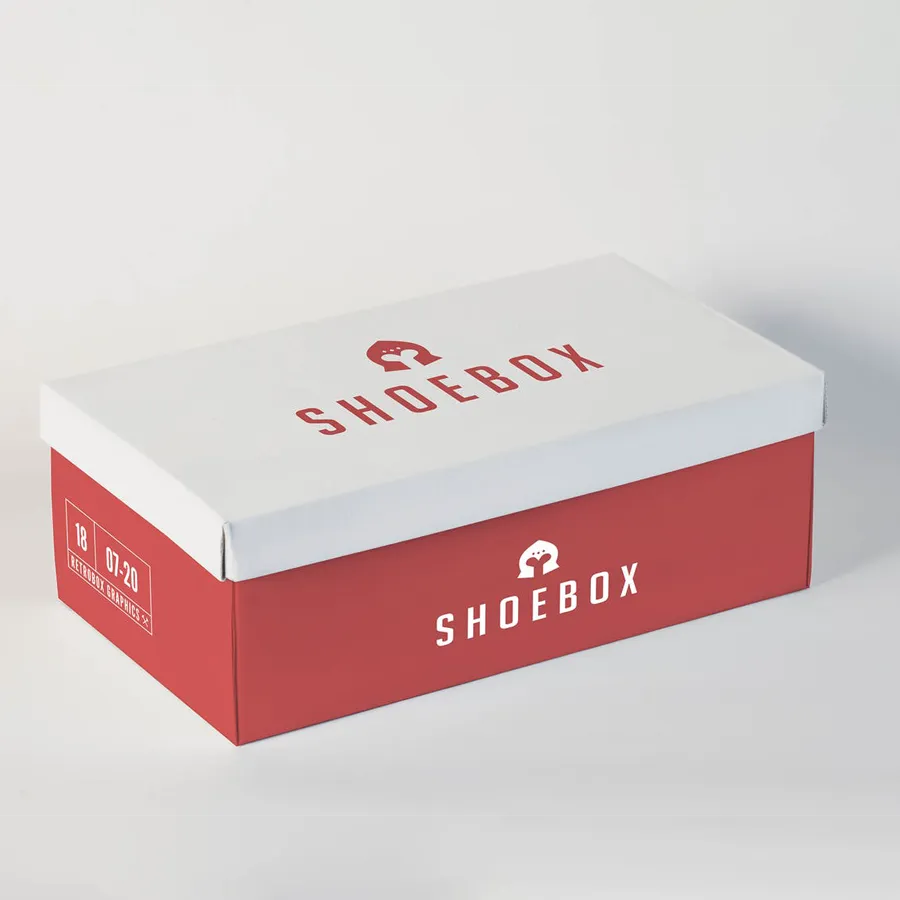

Protective Support Inside Shoe Packaging
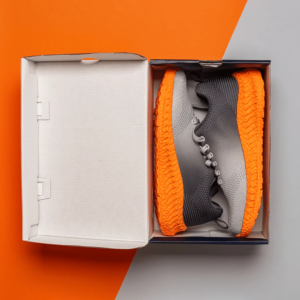
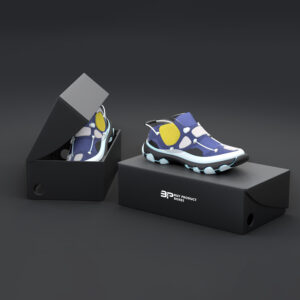
Footwear can shift inside an empty carton, allowing soles, uppers, laces, and trims to rub against one another. A correctly planned insert keeps the pair in position and gives the packaging a more intentional appearance. It can also guide the customer when opening the box by presenting the shoes, tissue, cards, and accessories in a logical arrangement. Shoe Box Inserts can be made for running shoes, fashion sneakers, leather shoes, loafers, heels, sandals, boots, slippers, children’s footwear, and limited-edition releases. The support should match the shoe length, width, height, sole profile, materials, and accessories packed with the order. Soft surfaces can protect delicate finishes, while paperboard structures offer lightweight organisation. For a printable base structure, cardboard shoe boxes can be paired with measured inserts that keep the footwear stable without adding unnecessary bulk.Shoe Box Insert Specifications
| Specification | Available Options |
|---|---|
| Insert styles | Divider, cradle, pad, tray, sleeve, ring support, die-cut board, and accessory compartment |
| Insert materials | Paperboard, kraft board, recycled stock, corrugated board, foam, felt, satin, and tissue |
| Support areas | Toe, heel, sole, collar, ankle, upper, laces, accessories, care cards, and dust-bag space |
| Branding areas | Top panel, divider, inner lid, insert card, care card, tissue, label, and accessory sleeve |
| Finishes | Uncoated, matte, gloss, soft-touch, foil stamping, embossing, debossing, and printed artwork |
| Fit options | Single pair, high-top, boots, gift sets, mixed accessories, wholesale packs, and made-to-measure styles |
Materials for Shoe Box Inserts
Paperboard is a practical insert material for retail footwear because it is lightweight, printable, and easy to die-cut. Kraft and recycled board can support a natural or responsible packaging message. Corrugated board adds cushioning for shipping, larger shoes, and orders that need stronger separation between the pair and the outer carton. Foam pads can cushion delicate areas, while felt, satin, or tissue creates a softer contact surface for polished leather, metallic trims, suede, or decorative finishes. A rigid insert may be useful for premium footwear that needs a more structured reveal. Select the material according to the shoe surface, expected handling, storage period, and shipping environment. For full-colour coordination, printed shoe boxes can match the insert artwork, collection name, size information, care message, or brand colours used on the outer package.Printing and Insert Finishes
CMYK printing suits illustrations, product information, patterns, and lifestyle artwork. Spot colours help maintain consistent branding across box sizes. Black, white, metallic, or one-colour printing can create a minimal appearance on kraft or recycled stock. The insert should support the overall package without distracting from the footwear. Matte and uncoated surfaces reduce glare, while soft-touch coating gives a more premium feel. Foil, embossing, debossing, and selective gloss can highlight a logo or collection mark. For a natural footwear presentation, kraft shoe boxes can be paired with a simple printed insert, tissue, or stamped care card.Sizes, Fit, and Interior Placement
The insert should be measured with the actual shoe, tissue, laces, card, and accessories. Record the shoe length, widest point, height, sole profile, pair orientation, and areas that should not be compressed. High-top sneakers and boots need additional height, while sandals and flats may use a shallower support. A divider can separate left and right shoes, a tray can lift the pair for easier viewing, and a die-cut cradle can hold a specific sole or heel position. A foam pad may cushion a delicate upper, while a paperboard compartment can hold spare laces or care materials. For structures designed to save storage volume, foldable shoe boxes can use inserts that assemble easily and remain stable inside the carton. Test the insert with the finished box before approving production. Check that the footwear can be placed and removed without snagging, the lid closes without pressure, and the insert does not create unwanted rubbing. A sample should also be tested inside the outer mailer used for shipping.| Footwear Type | Insert Approach | Recommended Support |
|---|---|---|
| Flats and sandals | Low-profile tray or divider | Tissue, sole separation, and accessory space |
| Low-top sneakers | Measured cradle or pair divider | Upper clearance, lace space, and care card |
| High-top sneakers | Tall support structure | Collar clearance, tissue wrap, and strong board |
| Boots and gift sets | Made-to-measure compartments | Heel support, dividers, cards, and shipping cushioning |
Styles and Suitable Applications
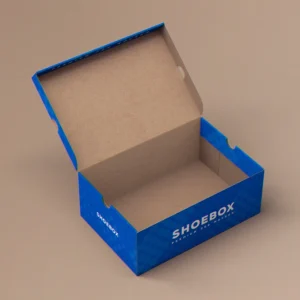
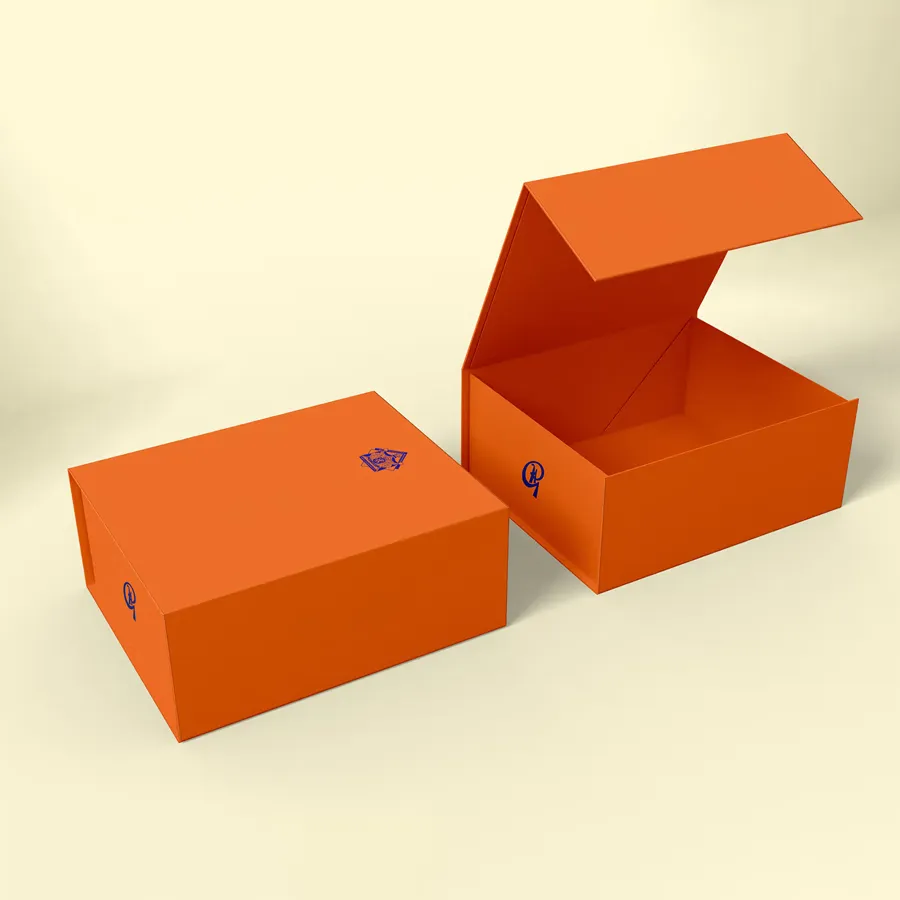
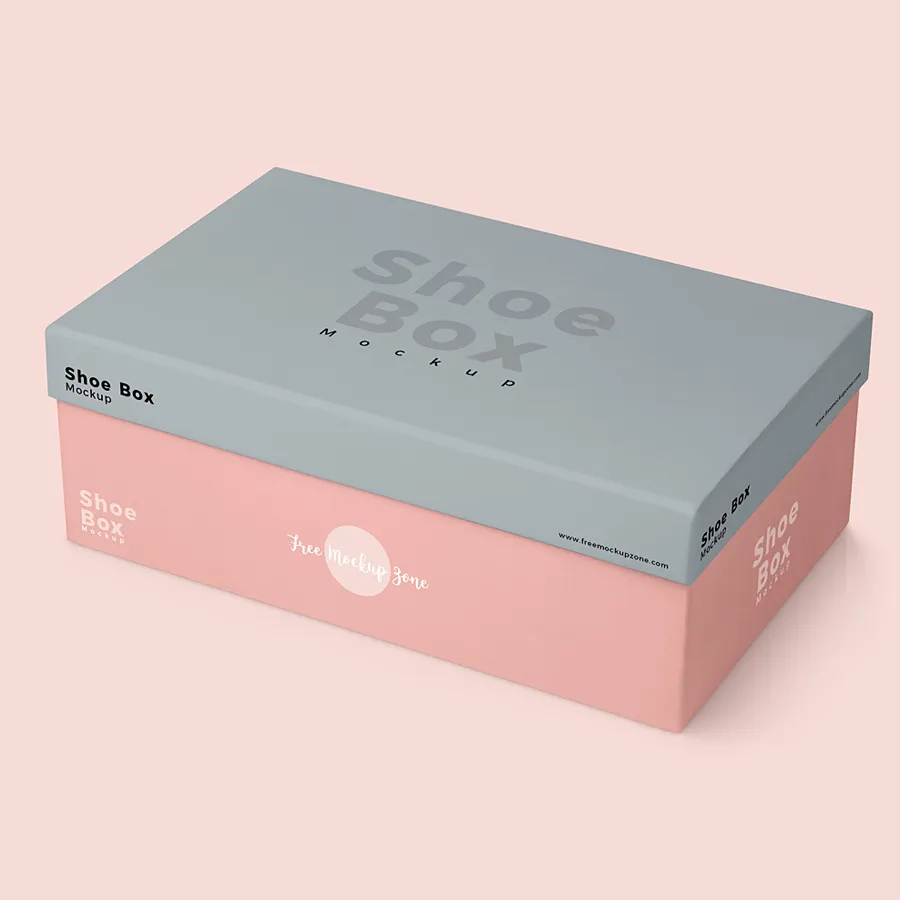
Shoe Box Inserts are suitable for footwear designers, independent boutiques, department stores, online brands, sportswear companies, children’s retailers, gift shops, subscription services, and wholesale distributors. A planned insert system can support different shoe styles while keeping the customer experience consistent across a collection. Retail inserts should make the pair easy to view and return to the box. E-commerce inserts should reduce movement and work with tissue or an outer shipping carton. Gift sets may need space for cards, socks, laces, or cleaning products, while wholesale packs may prioritise fast packing, consistent dimensions, and efficient case handling. For a lidded presentation, shoe boxes with lid can provide a stable outer structure for trays, dividers, tissue, and fitted supports. The insert should sit evenly so the lid closes without pressing against the shoe or accessories.Improve Protection and Unboxing
A well-designed insert helps the customer see that the footwear was packed with care. It can reduce movement during transport, support cleaner storage after purchase, and give the package a more organised appearance. It also provides an additional surface for care instructions, product information, or brand messaging. For logo-led footwear ranges, custom logo shoe boxes can coordinate the external artwork with printed inserts, tissue, care cards, and accessory compartments. When planning quantities, materials, tolerances, die-lines, assembly, and delivery, a specialist shoe box supplier can help review samples and ensure the insert works with the final box construction.Advantages of Shoe Box Inserts
- Reduce movement and rubbing inside the footwear package.
- Support shoes, soles, uppers, collars, laces, and accessories.
- Create a cleaner presentation when the box is opened.
- Allow care cards, size guides, messages, and product details.
- Offer paperboard, kraft, foam, felt, satin, and tissue options.
Pros and Considerations
Pros
- Measured supports can improve product protection during shipping.
- Inserts make footwear presentation more organised and premium.
- Different materials suit everyday and luxury packaging needs.
Considerations
- Unusual footwear shapes require accurate measurements and sampling.
- Foam, fabric, printing, and custom die-cuts may increase cost.
Order Custom Shoe Box Inserts
Prepare the shoe measurements, box dimensions, quantity, material preference, insert style, artwork, accessory requirements, and delivery details. A digital proof or physical sample can confirm fit, clearance, assembly, print quality, and shipping performance before the full production run.Ready to improve your footwear packaging? Share your shoe dimensions and presentation needs to plan fitted inserts for retail, gifting, storage, shipping, or wholesale orders.