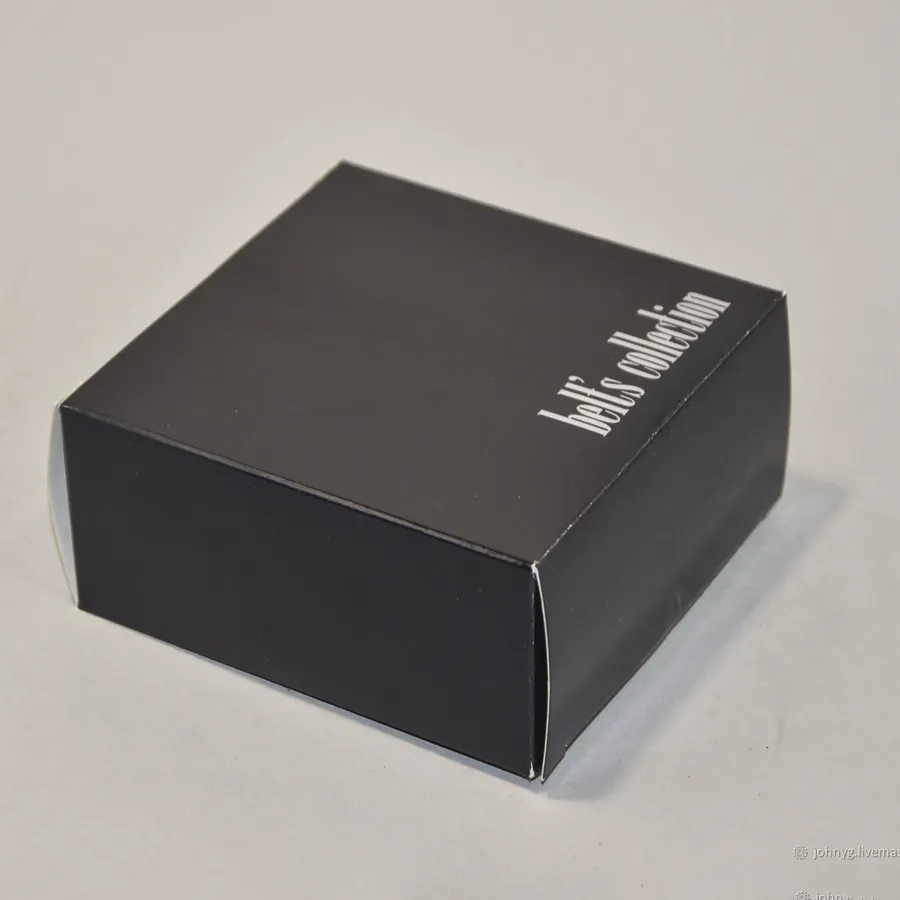

Space-Saving Packaging for Footwear
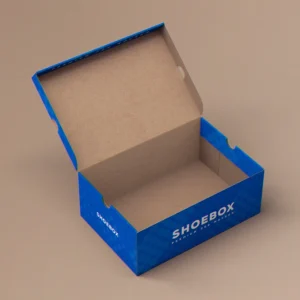
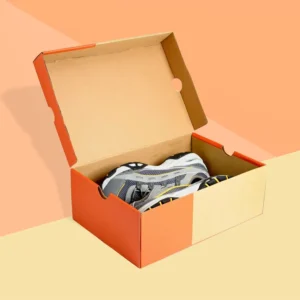
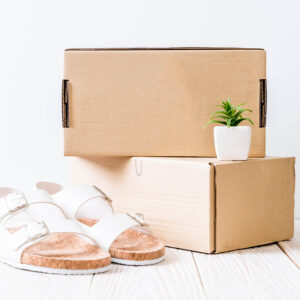
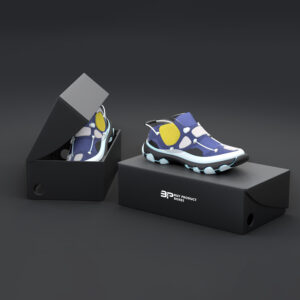
Traditional assembled cartons can occupy valuable warehouse space before they are used. Foldable packaging reduces this problem by arriving flat and taking shape when the packing team needs it. The construction should still provide enough rigidity to protect the shoes, hold the pair in position, and create a clean presentation after assembly. Foldable Shoe Boxes can be designed for low-top sneakers, high-top trainers, boots, sandals, slippers, heels, flats, children’s shoes, and seasonal collections. Depending on the product, the box may use fold-in panels, a tuck flap, locking tabs, a separate lid, or a sleeve. The correct structure depends on shoe dimensions, board grade, assembly speed, display method, and shipping route. For a direct footwear format, cardboard shoe box styles can be converted into flat-pack structures around the sole length, upper height, pair arrangement, and storage requirements. Flat-packed cartons can simplify replenishment because more units fit into a smaller stock area. They can also reduce the space needed for delivery from the packaging supplier to the brand’s facility. Once assembled, the box should remain square, close securely, and support the weight of the packed footwear.Foldable Shoe Box Specifications
| Specification | Available Options |
|---|---|
| Box formats | Flat-pack carton, tuck-end, locking tab, sleeve, folding lid, mailer, and two-piece styles |
| Board materials | Paperboard, kraft board, corrugated board, recycled board, chipboard, and reinforced stock |
| Interior support | Card divider, tissue wrap, paper cradle, sole separator, foam pad, or printed insert |
| Print areas | Lid, base, side panels, sleeve, inner walls, size label, barcode panel, and insert |
| Finishes | Matte, gloss, soft-touch, kraft texture, foil, embossing, debossing, and spot UV |
| Assembly features | Pre-scored folds, tuck flaps, locking tabs, adhesive strips, magnets, or ribbon pulls |
Materials for Flat-Pack Shoe Packaging
Paperboard provides a clean surface for colourful graphics, product labels, and efficient retail packaging. Kraft board gives the carton a natural appearance for sustainable, handmade, outdoor, and lifestyle footwear. Corrugated board adds cushioning and compression strength when assembled boxes need to travel through parcel networks or support heavier shoes. Reinforced stock can improve fold durability when the box is assembled frequently or handled by warehouse teams. A stronger base can support boots and thick soles, while lighter board may suit sandals, flats, and low-top trainers. For a printed outer design, printed shoe boxes can combine brand recognition with flat-pack efficiency. Material choice should balance storage, assembly, shoe protection, shipping weight, and the desired customer experience. A sample test can reveal whether the creases fold cleanly, the tabs lock correctly, and the packed pair remains stable during movement.Printing and Finishing Options
Foldable packaging can carry a bold lid graphic, minimalist logo, collection story, size information, or a complete colour system. Black, white, grey, navy, kraft brown, bright seasonal colours, and soft neutrals can suit different footwear ranges. Side panels are useful for size, colour, barcode, material, and care information. Matte coating reduces glare and creates a calm retail appearance, while gloss can make bright artwork more visible. Soft-touch lamination adds a smooth feel, and foil, embossing, debossing, or spot UV can highlight a small design detail. For an understated natural look, kraft shoe boxes can support a simple printed identity while keeping the board texture visible.Custom Sizes and Foldable Inserts
The flat pattern must be planned from the assembled box dimensions. Shoe length, width, upper height, sole thickness, heel shape, and pair arrangement all affect the finished dieline. Allowing space for tissue paper or dust bags prevents the carton from pressing against the footwear and helps the pair remain easy to remove. Card dividers can separate left and right shoes, while tissue supports protect polished or delicate uppers. A die-cut cradle can stabilize raised soles, and a printed insert can carry size, care, or collection information. For organized interiors, shoe box inserts can be measured around the exact pair and the chosen foldable structure.| Footwear Type | Suggested Starting Size | Recommended Use |
|---|---|---|
| Flats and sandals | 13 x 8 x 4 inches | Compact retail storage and gifting |
| Low-top sneakers | 14 x 9 x 5 inches | Online orders and everyday collections |
| High-top footwear | 16 x 11 x 7 inches | Taller shoes and protective fulfilment |
| Special fitted format | Made to measured dimensions | Boots, heels, thick soles, or gift sets |
Styles and Suitable Applications
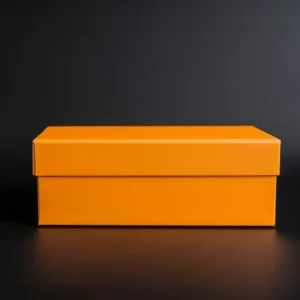
Shoe box packaging is suitable for footwear manufacturers, sneaker brands, boutiques, department stores, online shops, sports collections, children’s footwear, school shoes, workwear, and wholesale distribution. Foldable structures are useful for seasonal launches, limited editions, subscription orders, travel footwear, and products that need efficient stock storage. A locking-tab format can assemble quickly, while a tuck-end design may suit repeated retail packing. A folding lid can create a familiar opening, and a sleeve can provide extra space for collection details. When the assembled box needs additional coverage, shoe boxes with lids can help protect pairs during display, storage, and gifting. Flat-packed units are useful when a warehouse handles multiple shoe sizes and colours. Staff can assemble only the quantity needed for the day, reducing clutter around packing stations. Clear labels and printed size panels can make picking faster and reduce errors when similar pairs are stored together. For e-commerce, the finished box should fit inside the intended mailer without excessive empty space. For retail, it should stack evenly and maintain its shape on shelves.Improve Storage and Fulfilment Efficiency
Foldable packaging can reduce the amount of room used by empty cartons before they are filled. This makes it easier for brands to hold several sizes, colours, or seasonal designs without dedicating a large area to assembled boxes. The flat format can simplify transport from the supplier to the packing facility. Once assembled, the box should still give customers a clean presentation and a useful storage solution. A stable base helps protect the pair in a wardrobe or travel bag. For businesses planning repeat runs, a reliable shoe box supplier can support dielines, board selection, printing, and replenishment.Advantages of Foldable Shoe Boxes
- Store flat before assembly to reduce warehouse space.
- Protect footwear during retail handling and online delivery.
- Support kraft, paperboard, corrugated, and reinforced materials.
- Allow custom printing, labels, sizes, inserts, and locking features.
- Assemble when needed for efficient picking and fulfilment.
- Provide practical storage for customers after purchase.
Pros and Considerations
Pros
- Flat storage improves inventory and transport efficiency.
- Pre-scored folds can support fast, repeatable assembly.
- Custom board grades suit different footwear weights.
- Printed panels help identify sizes, colours, and collections.
Considerations
- Fold lines need accurate testing before production.
- Heavy boots may require reinforced or corrugated board.
- Assembly time should be considered for high-volume fulfilment.
Order Custom Foldable Shoe Packaging
Share the shoe length, width, height, sole profile, pair arrangement, quantity, artwork, preferred board, insert needs, assembly features, and delivery requirements. A digital proof or physical sample can help review the flat pattern, assembled fit, locking tabs, print colour, stacking strength, and shipping performance.Ready to save space while improving footwear presentation? Prepare your shoe measurements and artwork details to start planning custom foldable shoe boxes.