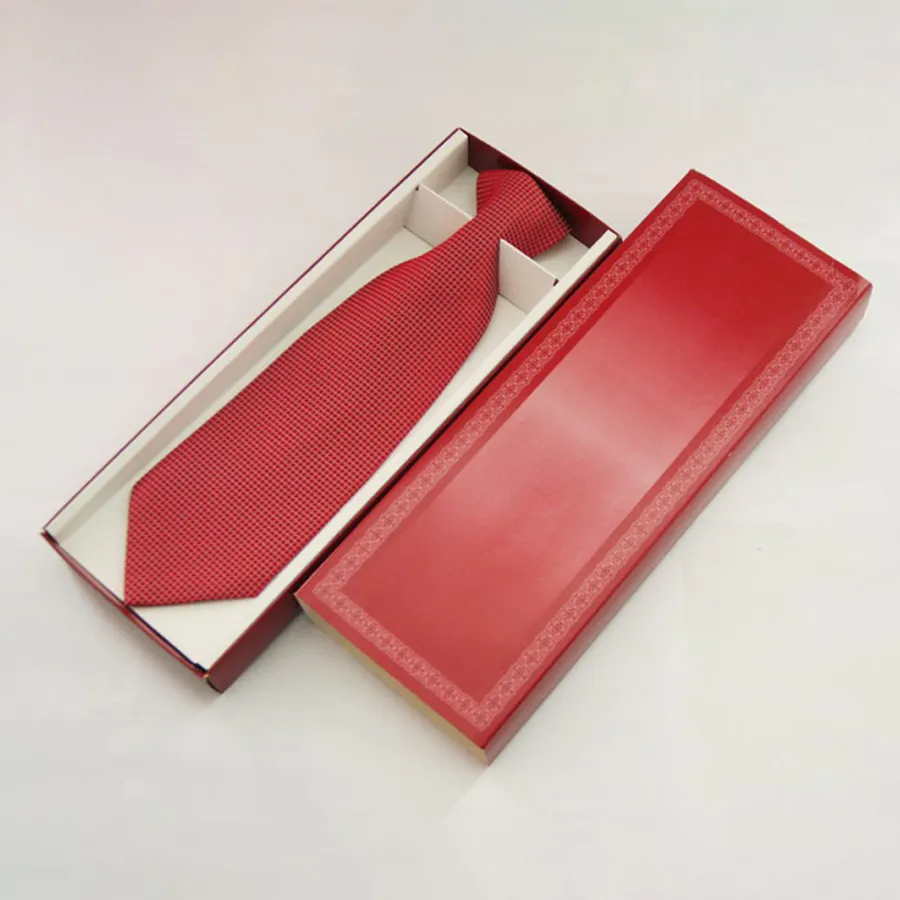
Custom Tie Boxes for Formalwear, Gifts and Retail Presentation
A tie is a slim fashion accessory, but its packaging needs careful planning because poor handling can leave unwanted folds, pressure marks, or an untidy presentation. Tie boxes are designed to keep neckties neatly arranged while giving brands a structured surface for logos, product details, and gift-ready presentation. Whether the product is a silk tie, knitted tie, bow tie, corporate tie, wedding tie, or designer accessory, suitable packaging helps protect its shape and makes the product easier to display, store, and present. Businesses building coordinated fashion packaging can explore custom apparel packaging solutions for ties and related formalwear accessories.
Unlike shirts or trousers, ties have a long and narrow shape that can be folded, rolled, or arranged around an insert. The packaging style should therefore follow the way the tie is intended to be presented. A compact folded-tie box may work well for retail, while a longer premium box can display more of the fabric pattern and create a stronger gifting experience.
Why Ties Need Dedicated Packaging
Neckties are often made from fabrics that show creases easily, including silk, satin, woven polyester, wool blends, and knitted materials. If a tie is compressed too tightly or folded carelessly, the customer may see visible lines when the product is removed from the package. Dedicated tie packaging gives the accessory a controlled space and reduces unnecessary movement.
Brands looking for packaging built specifically around tie dimensions can use tie boxes to create a more deliberate presentation for formalwear collections, menswear accessories, gifting, and retail display.
Custom Tie Boxes for Different Tie Styles
Not all ties require the same internal dimensions. Standard neckties are long and narrow, while knitted ties may be thicker and require more depth. Extra-long ties, children's ties, uniform ties, and fashion ties can also vary in width and overall length.
The box should be sized after deciding how the tie will be arranged. A folded presentation needs enough room to avoid sharp creases, while a rolled presentation requires additional depth. Custom sizing helps keep the tie secure without forcing it into a shape that affects the fabric.
Packaging for Silk and Luxury Neckties
Silk ties are often sold as premium accessories, so the box should reflect the quality of the product. A smooth interior, careful folding method, tissue layer, or supportive insert can help reduce direct pressure on delicate fabric. The presentation should feel refined without becoming overly complicated.
Luxury tie packaging can use understated colour palettes, subtle typography, foil logos, embossing, or premium wrapped surfaces. These details work particularly well for designer menswear, formal gift sets, wedding accessories, and high-end retail collections.
Custom Tie Boxes with Inserts
An insert can help control the way a tie sits inside the box. Card supports, recessed trays, shaped platforms, or folded internal sections can keep the tie positioned neatly and prevent it from sliding around when the package is handled.
The insert should match the chosen presentation method. If the tie is folded, the support should avoid creating hard pressure points. If the tie is rolled, the internal structure should hold the roll without flattening the fabric or making removal difficult.
Neck Tie Packaging Boxes for Better Presentation
Retailers selling formal accessories often need packaging that makes neckties easy to identify by colour, pattern, fabric, or collection. Product-specific neck tie packaging boxes can provide enough external space for style names, product codes, fabric information, size details, and branding while keeping the accessory neatly arranged inside.
A consistent packaging format can also make tie displays more organised. When multiple designs use the same box dimensions, retailers can stack or arrange products cleanly while using labels or printed side panels to distinguish individual patterns.
Printed Tie Boxes for Fashion Brands
Printed packaging allows brands to turn a simple accessory box into part of the product identity. Logos, monograms, patterns, collection names, care information, social handles, gift messages, and promotional artwork can all be incorporated into the box design.
Formal menswear brands may prefer restrained printing with subtle colours, while fashion-led labels can use stronger patterns or contemporary graphics. The design should complement the tie rather than competing with the fabric pattern visible when the product is opened.
Custom Tie Boxes for Brand Identity
Businesses that want a more personalised presentation can build packaging around custom tie boxes with specific sizes, print artwork, inserts, colours, and finishing details. This is especially useful for private-label fashion brands, tailors, menswear retailers, corporate clothing suppliers, and gift companies.
Brand consistency becomes more important when ties are sold alongside shirts, cufflinks, belts, socks, or pocket squares. Matching colours, typography, and logo placement across these products helps customers recognise them as part of the same formalwear collection.
Tie Boxes for Wedding and Formal Occasion Gifts
Ties are frequently purchased for weddings, anniversaries, graduations, Father's Day, birthdays, corporate events, and other formal occasions. A structured box makes the accessory easier to present as a gift and gives the buyer a finished package without requiring extensive additional wrapping.
Wedding collections can use coordinated packaging for groom, groomsmen, or event-specific ties. Printed names, dates, initials, or collection details can be incorporated where personalisation is required, while the core box structure remains consistent across the set.
Tie and Cufflink Gift Sets
A tie is often paired with cufflinks to create a formal accessory set. In this type of packaging, the box can include a larger area for the folded tie and a smaller dedicated section for the cufflinks so both products remain organised.
Dividing the interior helps prevent metal accessories from resting directly against the tie fabric. It also creates a stronger presentation because each item has a clear place when the customer opens the box.
Tie and Pocket Square Packaging
Pocket squares are another common companion product for neckties. A coordinated set can be packed in a single box with the tie folded or rolled on one side and the pocket square arranged separately.
Matching fabrics and colour combinations can be highlighted through careful interior presentation. The box can also carry collection information that explains how the pieces coordinate, making the set more suitable for gifting and formalwear retail.
Tie Boxes for Corporate and Uniform Programs
Corporate ties, school ties, club ties, hospitality ties, and uniform accessories often need practical packaging that supports distribution rather than luxury presentation alone. Clear external labels can identify departments, colours, employee groups, institutions, or style codes.
For larger organisations, consistent tie boxes can simplify sorting and distribution. Packaging can include company branding or programme details while keeping individual ties protected until they are issued to employees, students, or members.
Tie Boxes for Retail Display
Retail packaging needs to make products easy to browse without disturbing the presentation. Tie boxes can include colour names, pattern descriptions, fabric information, collection references, barcodes, and product codes on the exterior.
A slim rectangular structure also allows boxes to be stacked or placed vertically depending on the store layout. Consistent dimensions make displays more orderly, particularly when retailers stock numerous tie colours and designs in the same collection.
Window Tie Boxes
A viewing area can be incorporated when retailers want customers to see part of the tie pattern without opening the package. The window should reveal an attractive section of the fabric while leaving enough solid surface around it for branding and structural support.
The visible area should be planned around how the tie is folded. If the product shifts behind the window, the presentation can become inconsistent, so internal support may be useful for maintaining alignment.
Tie Boxes for Ecommerce Orders
Online menswear brands need packaging that keeps ties neat through fulfilment and delivery. A tie box can serve as the branded presentation package, while a suitable outer shipping carton or mailer provides the protection required during courier handling.
This arrangement helps the customer receive a tie in a structured, gift-ready format rather than opening a shipping bag to find a loose accessory. It is particularly valuable for premium ties, gift purchases, subscription boxes, and direct-to-consumer formalwear brands.
Compact Tie Boxes for Folded Presentation
A compact box can be practical when the tie is folded into several soft sections rather than displayed at full length. This reduces packaging size and can improve storage efficiency for retailers and ecommerce businesses.
The fold points should be chosen carefully so the fabric is not pressed into sharp angles. A small amount of tissue or a support card can help maintain a softer fold and improve the way the tie appears when removed.
Long Tie Presentation Boxes
Longer boxes allow more of the tie to remain visible and can create a more premium presentation. These formats may be used for luxury accessories, display sets, corporate gifting, or collections where the fabric pattern is an important selling feature.
Because longer structures use more material and storage space, they should be selected when the presentation benefit justifies the larger format. The product should still fit securely without excessive unused space around it.
Materials for Tie Boxes
Paperboard and cardboard are suitable for many standard tie boxes because ties are relatively lightweight. The board needs enough stiffness to maintain clean edges, support stacking, and protect the accessory without making the package unnecessarily heavy.
Premium tie boxes may use thicker or wrapped board for a more substantial feel. Material selection should also consider printing quality, fold performance, lid style, insert requirements, storage method, and the intended retail price point of the tie.
Finishing Options for Premium Tie Packaging
Tie packaging can support matte finishes, gloss details, foil stamping, embossing, debossing, and selected spot treatments. These techniques are particularly effective on formalwear packaging because a small amount of detail can create a sophisticated appearance.
For example, a restrained foil logo on a dark box can complement a luxury silk tie, while embossed branding can create a tactile effect without introducing additional colours. The finish should support the overall visual identity of the brand.
Bulk Tie Packaging for Growing Businesses
Menswear brands, department stores, uniform suppliers, tailors, wholesalers, and ecommerce companies may need large quantities of tie packaging. Businesses with recurring requirements can use tie boxes bulk for consistent dimensions, printing, and presentation across larger product runs.
Before placing a volume order, it is important to test the packaging with the actual ties. Different fabric thicknesses and presentation methods can affect the required depth, even when the external tie dimensions appear similar.
Wholesale Tie Boxes for Retail Supply
Businesses supplying multiple stores or large formalwear ranges can also consider wholesale tie boxes when packaging consistency, stock management, and recurring supply are key priorities. Standardising the main box sizes can make packing and replenishment easier across different tie collections.
Wholesale planning should account for seasonal launches, wedding periods, corporate orders, holiday gifting, and everyday retail demand. Packaging quantities can then be aligned with expected sales rather than ordered without reference to product cycles.
Storage and Assembly Considerations
Flat-packed tie boxes can reduce storage requirements before use, which is useful for retailers handling large quantities of slim accessory packaging. Assembly should remain straightforward so staff can form the box quickly without damaging corners or creating uneven edges.
Premium setup-style boxes may require more storage space but can provide a stronger gift presentation. The best choice depends on available warehouse space, daily packing volume, retail positioning, and the desired customer experience.
How to Choose the Right Tie Box
Begin by deciding how the tie will be displayed inside the package. Measure the folded or rolled tie rather than relying only on its full length. Account for fabric thickness, labels, tissue, inserts, accessory compartments, and any presentation cards.
Next, consider whether the box is intended for everyday retail, luxury gifting, corporate distribution, ecommerce, or wholesale supply. These use cases influence the required board strength, opening style, printing, internal organisation, and finishing options.
Benefits of Custom Tie Boxes
Order Tie Boxes Designed Around Your Formalwear Collection
The best tie packaging starts with the fabric, fold, and presentation style of the product itself. A silk necktie, knitted tie, corporate tie, or gift set may each require different depth, internal support, and finishing. Designing the box around these details helps preserve the product's appearance while giving customers a more polished presentation.
For packaging developed for neckties, wedding ties, corporate accessories, formal gift sets, or retail collections, contact our packaging team to discuss box dimensions, inserts, materials, printing, finishes, and production quantities.
Frequently Asked Questions About Tie Boxes
What are tie boxes used for?
Tie boxes are used to store, protect, display, and present neckties for retail, ecommerce, gifting, corporate programs, and formalwear collections. They help keep ties organised while providing space for branding and product information.
What size should a tie box be?
The correct size depends on whether the tie will be folded, rolled, or presented in a longer format. The box should provide enough room for the fabric and any insert without creating sharp folds or excessive empty space.
Can tie boxes be customised?
Yes. Tie boxes can be customised in size, structure, material, printing, colours, inserts, finishes, and internal layout. Packaging can be designed for individual ties or coordinated accessory sets.
Can a logo be printed on tie boxes?
Yes. Logos, brand names, collection details, patterns, care information, gift messages, and product codes can be added to tie packaging through custom printing and finishing techniques.
Can tie boxes include inserts?
Yes. Inserts can help keep folded or rolled ties positioned correctly. They can also create separate sections for cufflinks, pocket squares, tie clips, or other accessories included in a gift set.
Are tie boxes suitable for silk ties?
Yes. Tie boxes can be designed for silk ties with sufficient internal space and gentle support to reduce excessive pressure on the fabric. Tissue or presentation cards may also be used for a more refined arrangement.
Can tie boxes be used for wedding gifts?
Yes. Tie boxes are suitable for groom and groomsmen gifts, wedding accessories, anniversary gifts, and other formal occasions. They can be customised with event colours, names, dates, or coordinated gift-set layouts.
Are tie boxes suitable for ecommerce?
Yes. A tie box can provide the main branded presentation for an online order. Suitable outer shipping protection should also be used so the presentation box remains clean and undamaged during delivery.
Can tie boxes be ordered in bulk?
Yes. Menswear retailers, uniform suppliers, wholesalers, fashion brands, tailors, and ecommerce businesses can order tie packaging in larger quantities for regular product supply and seasonal collections.
What information can be printed on tie packaging?
Tie packaging can include the brand name, tie style, colour, fabric composition, collection name, care information, product code, barcode, and gift messaging. The exact details should reflect the product and selling requirements.