Custom Shirt Boxes for Smart Clothing Presentation and Protection
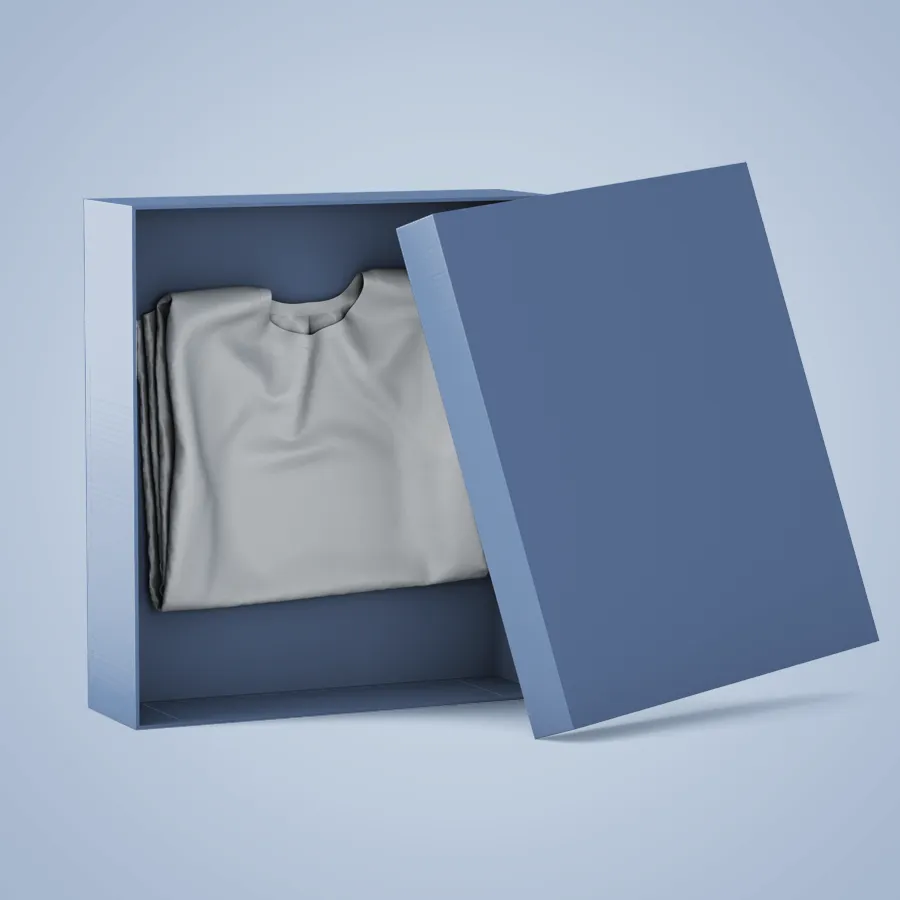
A well-folded shirt deserves packaging that keeps its shape intact from the stockroom to the customer's hands. Shirt boxes are created to hold dress shirts, casual shirts, uniform shirts, formalwear, and gift-ready garments in a neat horizontal layout without unnecessary compression. Their wide, shallow structure gives folded clothing enough room to remain organised while creating a polished presentation for retail shelves, ecommerce deliveries, and special occasions. Businesses can explore complete apparel packaging solutions when building a coordinated packaging range for shirts and related clothing products.
Shirts have different packaging needs from thicker garments such as jackets or denim. The collar, cuffs, buttons, front placket, and folded body all need to remain properly arranged. Packaging that is too deep can allow the garment to move, while an undersized box can press the collar and create unwanted creases. A purpose-built shirt box solves these issues by matching the proportions of a folded shirt and presenting it in a clean, organised way.
Why Shirts Need Purpose-Built Packaging
A shirt is often purchased for work, formal events, uniforms, weddings, gifting, or everyday fashion, so appearance matters before the garment is even worn. Packaging helps preserve the careful folding completed during production or retail preparation. A correctly sized box reduces movement and gives the shirt a defined presentation area rather than allowing it to sit loosely inside oversized packaging.
For brands that require dimensions, printing, and structural details tailored specifically to their garments, custom shirt boxes provide a direct packaging option for creating a fit around folded shirts instead of relying on generic clothing cartons.
Shirt Box Dimensions Based on Folded Garments
The ideal dimensions of a shirt box should be determined after the garment has been folded in its final retail position. The width must accommodate the shoulders and folded sleeves, while the length should support the shirt body without forcing the fabric into a smaller shape. Depth depends on the fabric thickness and whether one shirt or several pieces will be packed together.
Formal cotton shirts may require a relatively shallow structure, whereas heavier flannel, overshirts, or layered gift sets may need additional depth. Custom dimensions also allow businesses to create separate packaging for men's, women's, children's, or uniform shirt ranges without leaving unnecessary empty space.
Protecting Collars, Cuffs and Buttons
The collar is one of the most visible areas of a formal shirt and should remain upright and well-shaped when the package is opened. A box with suitable internal clearance prevents the lid from pressing directly against the collar. Card supports, collar bands, tissue, or folded inserts can also be used when the garment needs extra presentation support.
Cuffs and buttons should be positioned so they do not create pressure points against the front of the garment. Proper folding and box depth help distribute the shirt evenly, reducing the chance of visible impressions or an untidy appearance during display and delivery.
Shirt Boxes for Formalwear and Dress Shirts
Dress shirts are strongly associated with polished presentation, making the box an important part of the overall product experience. Menswear shops, tailoring brands, corporate clothing suppliers, wedding retailers, and formal fashion companies can use structured packaging with restrained artwork, clean typography, and clear product information.
A formal shirt package may display the collar size, chest measurement, sleeve length, colour, fit, fabric composition, and style code on the exterior. This allows retail staff and customers to identify the correct shirt without disturbing the folded presentation inside.
Shirt Boxes for Wrapping and Gifting
Shirts are frequently selected as birthday, holiday, wedding, graduation, Father's Day, corporate, and seasonal gifts. In these situations, the packaging needs to look presentable before decorative wrapping is added. A clean box gives the shirt a defined shape and makes gift wrapping easier than trying to wrap a soft garment directly.
Brands and retailers focusing on gift presentation can use shirt boxes for wrapping when they need packaging that provides a neat base for paper, ribbon, sleeves, stickers, or other decorative finishing touches.
Printed Shirt Boxes for Clothing Brands
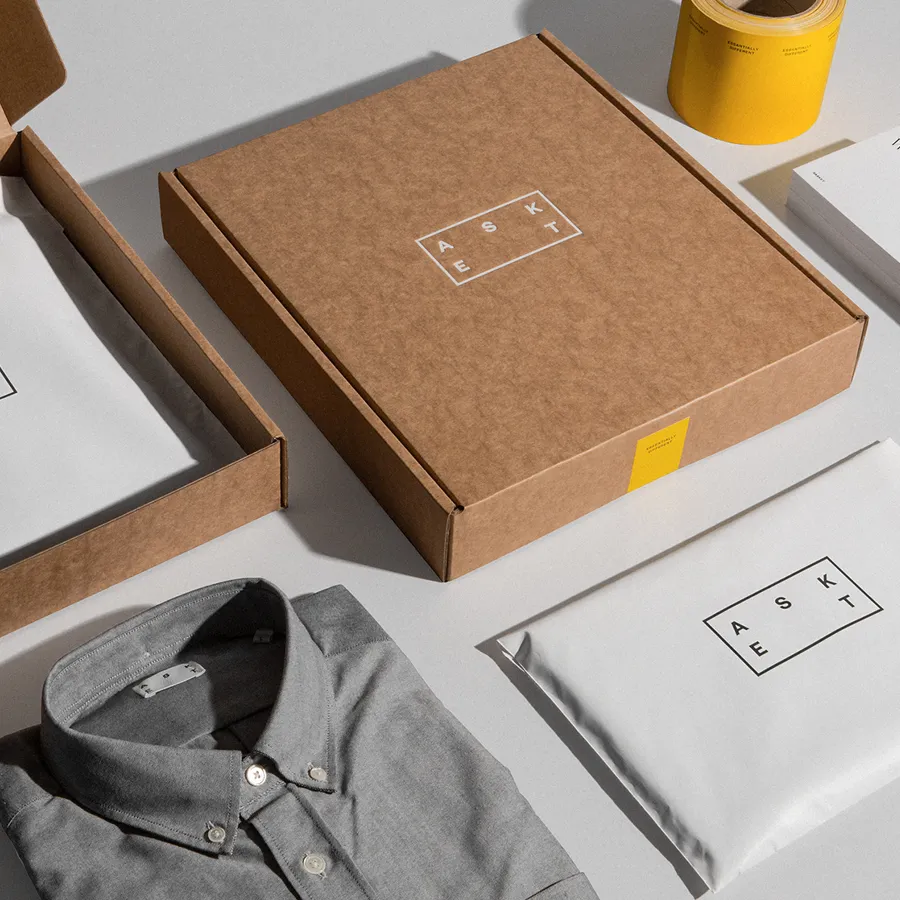
A shirt box offers broad flat surfaces that work well for branding. Logos, collection names, sizing information, care details, patterns, slogans, and brand colours can be incorporated without competing with complex structural folds. This makes shirt packaging particularly useful for fashion brands wanting a clean, recognisable retail presentation.
The exterior can remain minimal with a small logo, or it can carry full printed artwork for seasonal and promotional ranges. Interior printing can also be used to reveal a message, pattern, or brand statement after the lid is lifted, adding another layer to the unboxing experience.
Branded Packaging for Shirt Collections
Shirt ranges are often sold alongside trousers, ties, socks, jackets, and accessories. Packaging consistency across these products can help a brand look more established and organised. Matching typography, colours, logo placement, and finishing details creates a recognisable visual system across a full clothing collection.
Businesses building this coordinated look can combine shirt packaging with branded clothing boxes for other garments, keeping the overall packaging identity consistent while adjusting dimensions and structures for individual products.
Materials for Shirt Packaging Boxes
Shirt boxes can be produced using paperboard and cardboard materials selected according to the required strength and presentation level. Lightweight folding structures may work well for everyday retail products, while thicker board can provide greater rigidity for premium shirts, gift sets, or garments that will be stored for longer periods.
The material should be strong enough to maintain flat surfaces and clean edges without adding excessive weight. Board selection also influences printing quality, fold performance, finishing options, and how the box feels when handled by the customer.
Rigid Shirt Boxes for Premium Garments
Designer dress shirts, luxury tailoring, wedding collections, and high-value gift products may require packaging with greater structural weight. A rigid-format shirt box can create a more substantial presentation and may be designed with a lift-off lid, hinged opening, internal tray, or wrapped exterior.
Premium clothing businesses that want this stronger presentation can coordinate their shirt packaging with rigid apparel boxes, particularly when the shirt forms part of a luxury collection or curated clothing set.
Shirt Boxes in Bulk for Retail Operations
Retailers and manufacturers handling large shirt volumes need packaging that is easy to store, assemble, label, and replenish. Standardising box dimensions for key shirt sizes can simplify stock management and reduce confusion during packing. Consistent packaging also makes shelves and warehouse stacks easier to organise.
Businesses with recurring volume requirements can consider shirt boxes bulk for larger packaging runs where consistent dimensions, branding, and presentation need to be maintained across ongoing shirt orders.
Shirt Boxes for Ecommerce Clothing Orders
Online shirt retailers face a different challenge because garments need to remain neatly arranged after being handled through fulfilment and delivery. A shirt box can act as the presentation layer inside appropriate shipping protection, helping the shirt reach the buyer in a more organised condition than loose apparel packaging.
The customer can open the shipping package and immediately see a folded, branded shirt presentation. This is especially valuable for formalwear, gifts, subscription clothing, premium shirts, and direct-to-consumer brands where the delivery experience forms part of the brand impression.
Packaging for T-Shirts and Casual Tops
Traditional dress shirts and casual T-shirts may belong to the same apparel collection, but their folding and presentation requirements can differ. T-shirts normally have softer collars and can often be packed more compactly, while formal shirts need additional clearance around structured collar areas.
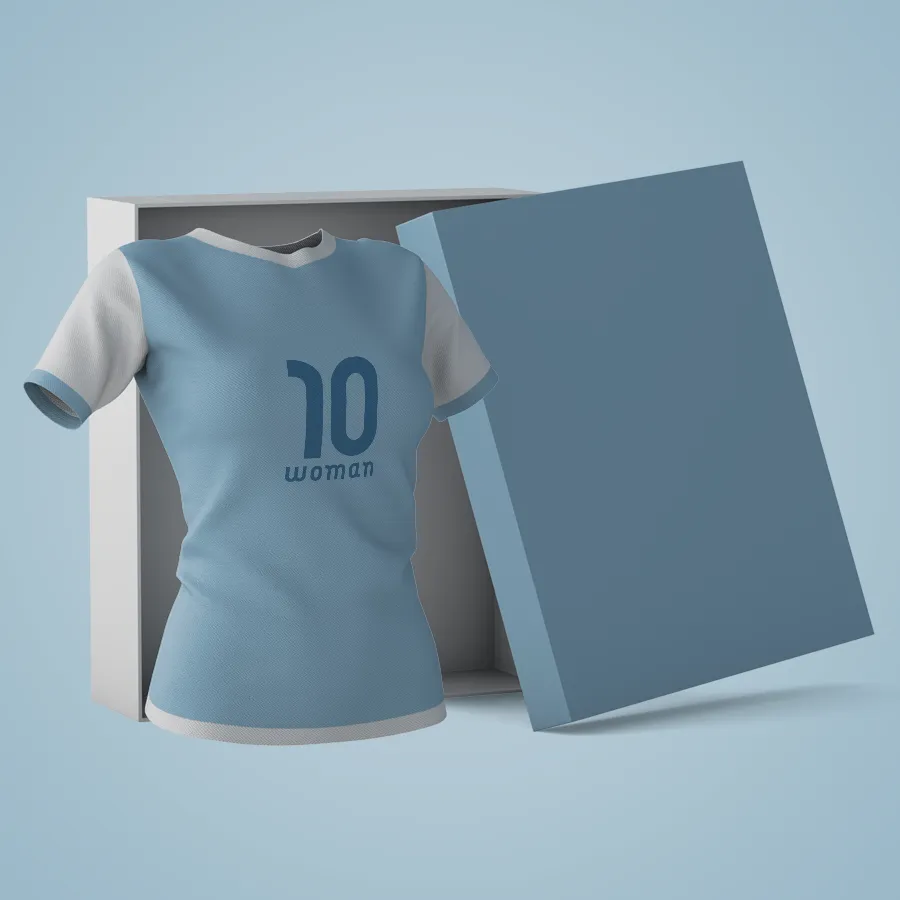
Brands selling both categories can use T-shirt boxes for casual tops while reserving more structured shirt packaging for button-down and formal garments. This keeps packaging appropriate to each product rather than forcing different garments into one standard format.
Shirt Packaging for Uniform Suppliers
Uniform shirts are often supplied in multiple sizes, colours, departments, and employee specifications. Clear packaging makes distribution easier by displaying relevant information on the exterior. Size, department, employee code, garment style, sleeve length, or company details can be printed or labelled directly on the box.
Organised shirt boxes can be particularly helpful for hospitality uniforms, office clothing, schoolwear, security uniforms, healthcare apparel, and corporate staff garments where many visually similar shirts need to be separated accurately.
Premium Finishes for Shirt Boxes
Finishing should reflect the price position of the shirt. Matte surfaces can create a smooth and understated appearance for premium formalwear, while gloss details may suit brighter fashion collections. Foil stamping can highlight a logo, and embossing or debossing can add a tactile brand element without using additional printed graphics.
Premium finishes are most effective when used selectively. The broad lid of a shirt box provides enough visual space for a carefully positioned logo or collection name, allowing the package to feel sophisticated without becoming overly decorated.
Window Shirt Boxes
Some shirt packaging designs can include a viewing area that allows part of the garment to remain visible while it is boxed. This can be useful when customers need to see the fabric colour, texture, pattern, or collar presentation without opening the package.
A window should be positioned carefully so it showcases an attractive area of the folded shirt. The surrounding box still needs enough structure to keep the garment protected and to provide space for branding, size information, and product details.
Shirt Gift Sets with Accessories
Shirts are often paired with ties, cufflinks, socks, pocket squares, or other accessories to create complete gift sets. A larger shirt box can be divided into sections so the garment remains the central feature while smaller items sit in dedicated compartments.
Separating accessories prevents them from moving over the shirt surface and creates a more deliberate presentation. Gift-set layouts are useful for wedding parties, corporate gifting, holiday collections, formalwear promotions, and premium menswear packages.
Flat-Pack Shirt Boxes for Storage Efficiency
For businesses with limited stockroom space, folding shirt box structures can provide an efficient storage solution before use. Flat packaging occupies less volume than fully assembled boxes and can be prepared as orders or retail requirements arise.
Assembly should remain simple enough for staff to form the box without damaging corners or misaligning panels. This is particularly important in high-volume environments where packaging speed affects daily fulfilment efficiency.
Shirt Boxes for Seasonal Fashion Collections
Shirt packaging can change visually between seasonal collections while keeping the same practical structure. Spring shirts may use lighter visual themes, holiday gift collections may use more decorative designs, and formal ranges can retain a timeless presentation throughout the year.
Brands can update sleeve designs, printed artwork, stickers, or lid graphics while maintaining consistent core dimensions. This reduces the need to completely redesign the packaging structure for every product launch.
Right-Sized Shirt Packaging
Using the correct box dimensions improves both product presentation and material efficiency. Oversized boxes allow garments to shift and require more packaging material, while undersized boxes can distort collars and create compression marks.
The most accurate approach is to fold the actual shirt as it will be sold, measure the resulting dimensions, and then account for tissue, collar supports, or inserts. This creates packaging that is built around the garment instead of making the garment adapt to the box.
What to Consider Before Ordering Shirt Boxes
Businesses should first identify the shirt styles and sizes being packaged. Formal shirts, oversized shirts, children's shirts, uniform garments, and heavier casual shirts may each require different dimensions. The number of shirts placed inside one box will also affect the required depth and board strength.
After sizing, consider retail presentation, shipping method, printing, finishes, labelling, storage, assembly, and expected order volume. A shirt box that works well operationally should be easy for staff to use while still delivering the presentation customers expect from the brand.
Benefits of Custom Shirt Boxes
Order Shirt Boxes Designed Around Your Garments
Good shirt packaging begins with the way the garment is folded and presented. The dimensions, board strength, lid style, printing, and internal support should all be chosen around the shirt rather than treated as separate design decisions. This approach helps create packaging that protects the garment while giving customers a neat and professional first view.
For help planning packaging for dress shirts, uniforms, casual shirts, gift sets, or retail collections, contact our packaging team to discuss shirt dimensions, box structures, printing, finishes, quantities, and presentation requirements.
Frequently Asked Questions About Shirt Boxes
What are shirt boxes used for?
Shirt boxes are used to package folded dress shirts, casual shirts, uniform shirts, formalwear, and shirt gift sets. They help keep garments organised, protect the folded presentation, and provide a structured package for retail, ecommerce, storage, and gifting.
What size box is best for a shirt?
The best size depends on the shirt after it has been folded for sale. Measure the folded width, length, and thickness, then allow suitable clearance for the collar, tissue, or internal supports without creating excessive empty space.
Can shirt boxes protect the collar?
Yes. A properly sized shirt box provides enough internal height to avoid pressing the collar. Additional collar supports, tissue, or internal cards can also be used when a structured formal presentation is required.
Can logos be printed on shirt boxes?
Yes. Shirt boxes can feature logos, brand names, product information, sizes, patterns, collection details, care instructions, and other printed artwork. The broad lid surface is particularly useful for clear branded presentation.
Are shirt boxes suitable for gift wrapping?
Yes. Their flat, defined shape makes shirt boxes convenient for gift wrapping with paper, ribbons, sleeves, stickers, or other decorative elements. They are commonly suitable for birthdays, holidays, weddings, corporate gifts, and formal occasions.
Can shirt boxes hold more than one shirt?
Yes. The depth can be adjusted for two or more folded shirts when required. Multi-shirt packaging should provide enough clearance to prevent excessive compression while keeping the garments neatly stacked.
Can accessories be packed with a shirt?
Yes. Shirt gift boxes can include compartments or inserts for ties, cufflinks, socks, pocket squares, and other accessories. Separating the items helps maintain an organised presentation and prevents smaller products from moving across the garment.
Are shirt boxes suitable for ecommerce?
Yes. Shirt boxes can provide an organised presentation layer for online clothing orders. Suitable external shipping protection should also be used so the presentation box and garment remain protected during delivery.
Can shirt boxes be ordered in bulk?
Yes. Clothing manufacturers, retailers, uniform suppliers, fashion brands, and ecommerce businesses can order shirt boxes in larger quantities. Consistent bulk production can help standardise sizing, printing, and packaging presentation.
How should I choose packaging for premium shirts?
Consider the folded shirt dimensions, collar height, garment value, presentation style, material strength, printing, and desired finishes. Premium shirts may benefit from thicker board, refined printing, tissue, inserts, or a more substantial box structure.