Custom Apparel Boxes Guide for Clothing Brands
If you sell clothing, you already know that what's inside the box matters. But here's the thing a lot of new brands miss the box itself matters just as much. The moment a customer sees the package on their doorstep, before they even touch the fabric inside, they're already forming an opinion about your brand. That's the quiet power of good apparel boxes, and it's why more fashion labels, boutique owners, and online clothing stores are investing real thought into their packaging instead of treating it as an afterthought.
In this guide, we'll walk through everything worth knowing about custom apparel boxes the materials, the styles, the printing options, and the practical reasons they end up paying for themselves many times over.
Why Apparel Packaging Deserves More Attention Than It Gets
Clothing is a tactile, emotional purchase. People buy clothes because of how they'll feel wearing them, and that feeling starts the second the package arrives. A crushed, flimsy box with a garment stuffed inside sends one message. A sturdy, well-designed box with the item folded neatly, maybe wrapped in tissue with a small thank-you card, sends a completely different one even if the shirt inside is identical.
This is especially true now that so much clothing shopping happens online. There's no store associate, no fitting room, no in-person moment to build trust. The unboxing experience has quietly become one of the only physical touchpoints a brand has with its customer. Get it right, and you're not just protecting a product you're building the kind of impression that turns a one-time buyer into a repeat customer.
Materials: What Your Box Is Actually Made Of
Not all boxes are built the same, and the material you choose changes both the look and the durability of your packaging.
Cardboard is the everyday workhorse lightweight, affordable, and easy to print on. It's a solid choice for basics like t-shirts, socks, and everyday accessories where cost efficiency matters most.
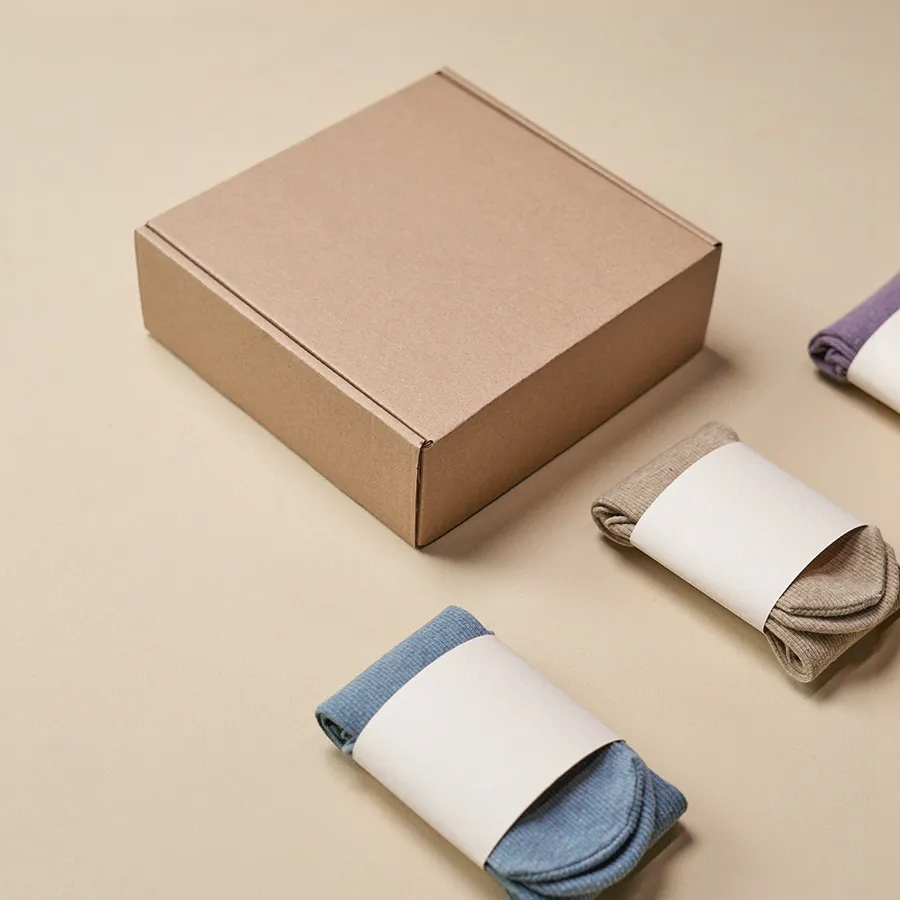
Kraft stock gives a raw, natural look that's become popular with brands leaning into a sustainable or minimalist image. It also happens to be one of the more eco-friendly options available on the market today.
Corrugated board adds an extra layer of strength, which makes it a better fit for heavier garments or anything shipping long distances where the box will get knocked around in transit.
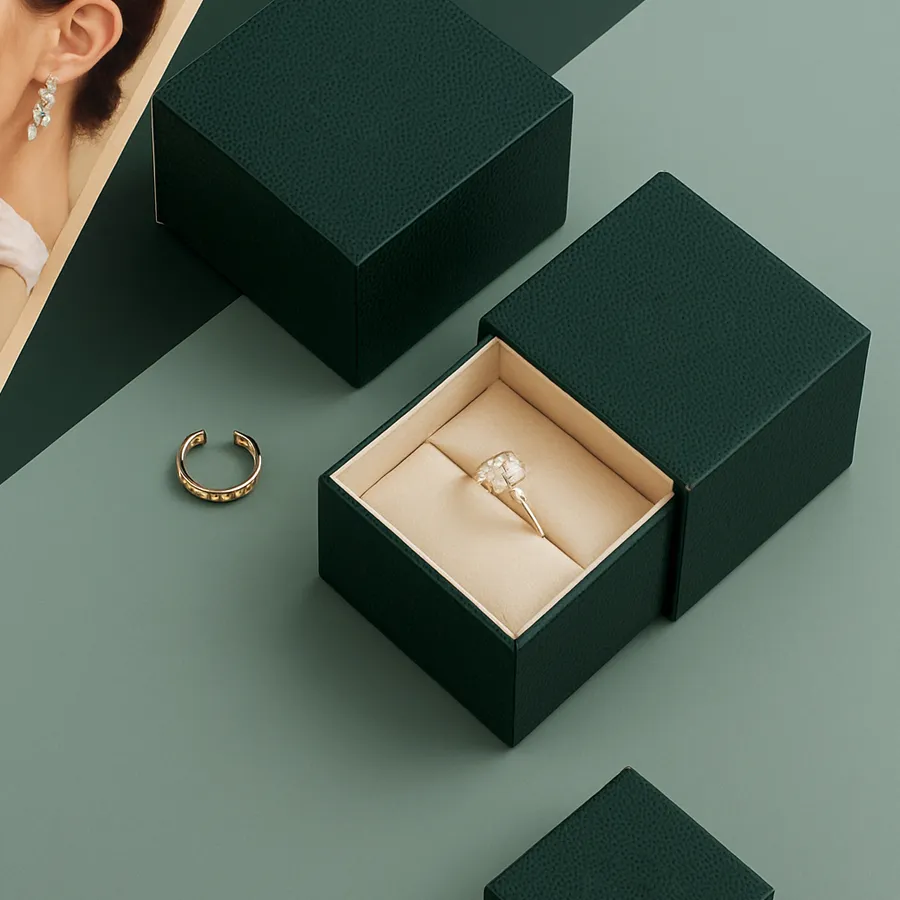
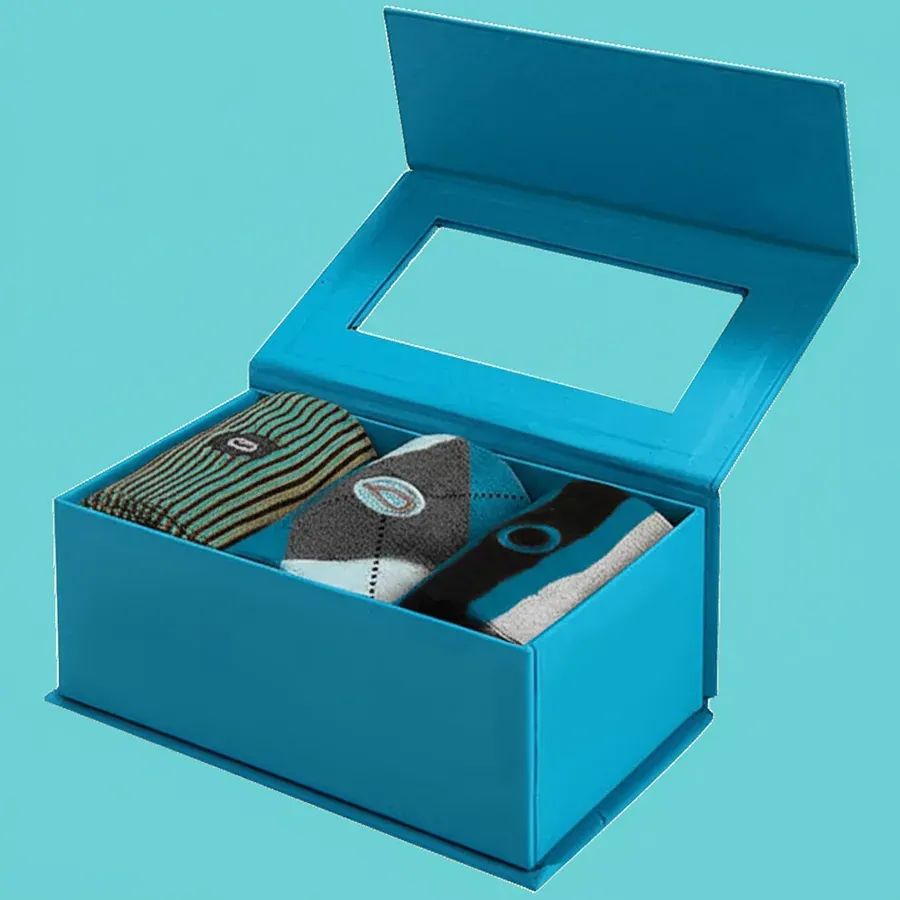
Rigid boxes are the premium tier thick, sturdy walls with a satisfying weight to them. These show up most often for luxury apparel, bridal wear, or limited drops where the packaging is part of the product experience. If you're building toward that high-end feel, rigid apparel boxes are usually where established brands land.The right pick really depends on what you're shipping and what impression you're trying to leave. A budget basics line doesn't need rigid packaging any more than a luxury capsule collection should ship in plain cardboard.
Choosing the Right Style for What You Sell
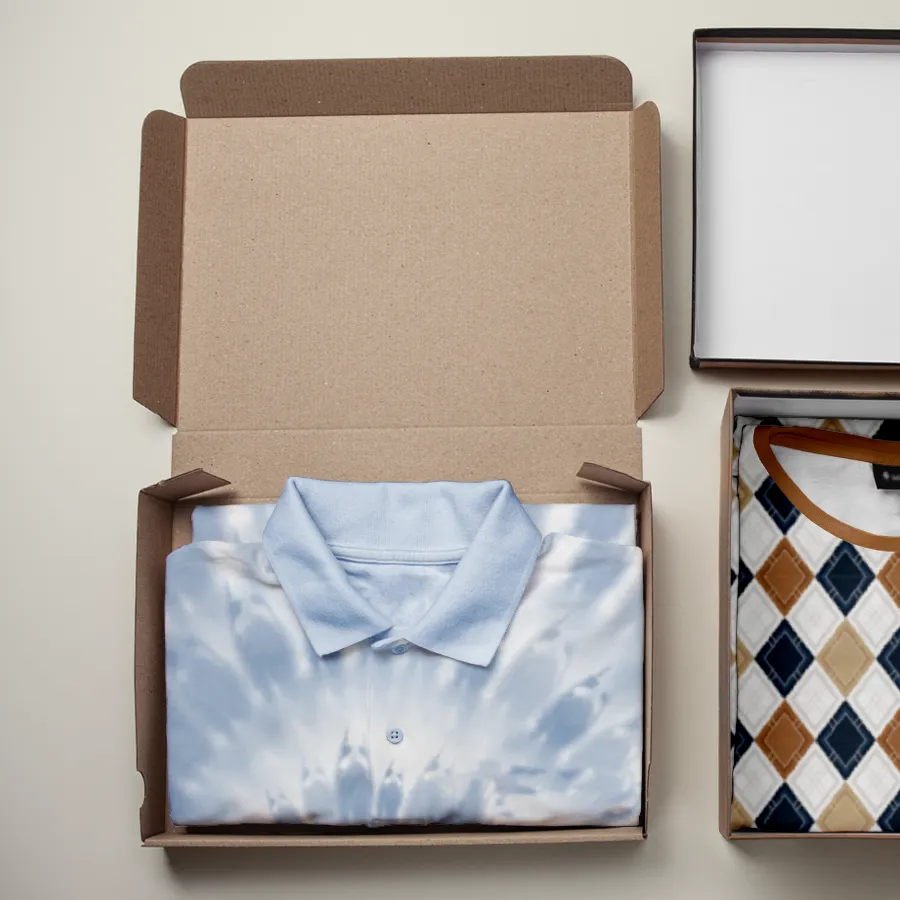
Apparel isn't one-size-fits-all, and neither is apparel packaging. Different garments call for different box structures.For folded shirts, sweaters, and similar flat-pack items, a straightforward tuck-end or mailer-style box does the job well. Custom shirt boxes are typically sized to keep the garment flat and creaseless, which matters a lot for anything that needs to look pressed and ready straight out of the box think dress shirts or gift sets.
Bulkier or oddly shaped items hoodies, jackets, accessories with hard edges often do better in boxes with a bit more structural depth. Meanwhile, general everyday pieces like tees and casualwear are usually well served by simple, sturdy clothing boxes that keep costs down without sacrificing protection. Subscription boxes or gift-focused apparel lines tend to benefit from lift-off lid boxes, which create a nicer reveal moment than a simple tuck flap.
It's worth thinking through your product lineup before settling on one style. A lot of brands make the mistake of choosing a single box size for everything, which either wastes material on smaller items or forces larger ones to get squeezed in.
Customization Where the Branding Actually Happens
A plain box, no matter how sturdy, is just a container. Customization is what turns it into branding. This is also where branded clothing boxes earn their keep they carry your logo and identity through to the very last step of the customer's journey. Here's where most of that work happens:
Logo placement and colors consistent with the rest of your brand identity, so the box feels like a natural extension of your website and social presence rather than a generic shipping container.
Printing technique CMYK for full-color designs, PMS matching for exact brand colors, embossing or debossing for a tactile logo, foil stamping for a metallic accent, and spot UV for glossy highlights against a matte background.
Interior details tissue paper, printed inserts, or small dividers that make the unboxing feel intentional rather than rushed.
Size customization boxes built to fit your specific product dimensions rather than generic stock sizes, which also cuts down on wasted packing material.
Practical Reasons This Isn't Just About Looks
It's easy to think of packaging purely as a branding exercise, but there's a functional side too that's just as important.
Good apparel boxes protect against creasing, moisture, and general wear during shipping and storage. A garment that arrives wrinkled or damaged creates returns, refunds, and one-star reviews all of which cost more than a slightly better box would have. Sturdy, well-fitted packaging also reduces the amount of empty space a garment has to shift around in, which is one of the more common causes of damage in transit.
Sustainability Is No Longer Optional for Most Brands
A growing number of customers factor packaging waste into their buying decisions, particularly younger shoppers. Recyclable kraft stock, soy-based inks, and minimal-waste box designs aren't just good for the planet they've become a legitimate selling point. If sustainability is part of your brand story, it's worth making sure your packaging backs that up rather than contradicting it with excess plastic or non-recyclable materials.
What to Look for in a Packaging Supplier
If you're sourcing apparel boxes for the first time, a few things are worth checking before committing to an order:
Minimum order quantities that actually fit your business size some suppliers require bulk minimums that don't make sense for a small or growing brand.
These details matter more than they seem to at first. A great-looking box design means very little if it arrives three weeks late or the minimum order forces you to tie up cash in inventory you don't need yet. If you're weighing options and want a straight answer on sizing, materials, or pricing for your specific product line, it's usually faster to just get in touch with our packaging team directly and talk it through.
Bringing It All Together
Custom apparel boxes sit at an interesting intersection part protection, part branding, part customer experience. Brands that treat packaging as a genuine part of the product, rather than an afterthought tacked on at the end, tend to see it reflected in customer loyalty and repeat purchases. It doesn't have to mean expensive rigid boxes or elaborate printing; it just means being intentional about what a customer sees and feels the moment that package lands on their doorstep.Whether you're outfitting a small clothing boutique or scaling an online apparel brand, matching your box style and material to your specific products —and to the experience you want your customers to have is worth the extra thought it takes.
Frequently Asked Questions
1. What are apparel boxes used for?
They're used to package clothing and accessories securely for shipping, storage, or retail display, while also giving the brand a chance to make a strong visual impression.
2. What materials are apparel boxes made from?
Common options include cardboard, kraft paper stock, corrugated board, and rigid board — each offering a different balance of cost, strength, and premium feel.
3. Can apparel boxes be customized with my logo and brand colors?
Yes. Logo placement, brand colors, and full custom artwork are standard options, along with finishing techniques like foil stamping and embossing.
4. What's the difference between a regular box and a rigid box?
Rigid boxes use thicker board and have a sturdier, more premium feel, making them popular for luxury or gift-oriented apparel. Regular cardboard boxes are lighter and more budget-friendly for everyday items.
5. Is there a minimum order quantity?
Most suppliers set a minimum, often starting around 50 boxes, though this varies depending on the box style and material chosen.
6. Can I get a sample before placing a bulk order?
Yes, physical samples or 3D digital mockups are typically available so you can review the design before committing to full production.
7. Are eco-friendly apparel boxes available?
Yes. Recyclable kraft stock and sustainable printing options are widely available for brands that want to reduce their packaging footprint.
8. How long does production usually take?
Standard production typically runs around 7 to 10 business days after the design is approved, though this can vary by order size and complexity.
9. Do apparel boxes come with inserts or tissue paper?
Many suppliers offer custom inserts, dividers, and tissue paper as add-ons, which help protect the garment and add to the unboxing presentation.
10. How do I get started with a custom order?
The easiest way is to reach out directly with details about your product and quantity — a supplier can then walk you through material, size, and pricing options based on your needs.